Basic bread shaping skills guide for even bread rise
Mastering Basic bread shaping skills is crucial as Bread shaping techniques directly influence Shaping impact on bread rise, ensuring consistent loaves.
"The work of baking, especially kneading dough was physically taxing and workers had shifts of between 14 and 18 hours a day."
Mastering basic bread shaping skills requires understanding both the physical manipulation of dough and the historical context of labor-intensive production.
This guide covers the fundamental techniques used to create staple breads, the physical demands of the craft, and the historical labor structures that shaped the industry.
You will learn how to manage dough consistency, the importance of surface tension, and the reality of professional bakery shifts.
Why is basic bread shaping skills important for consistency?
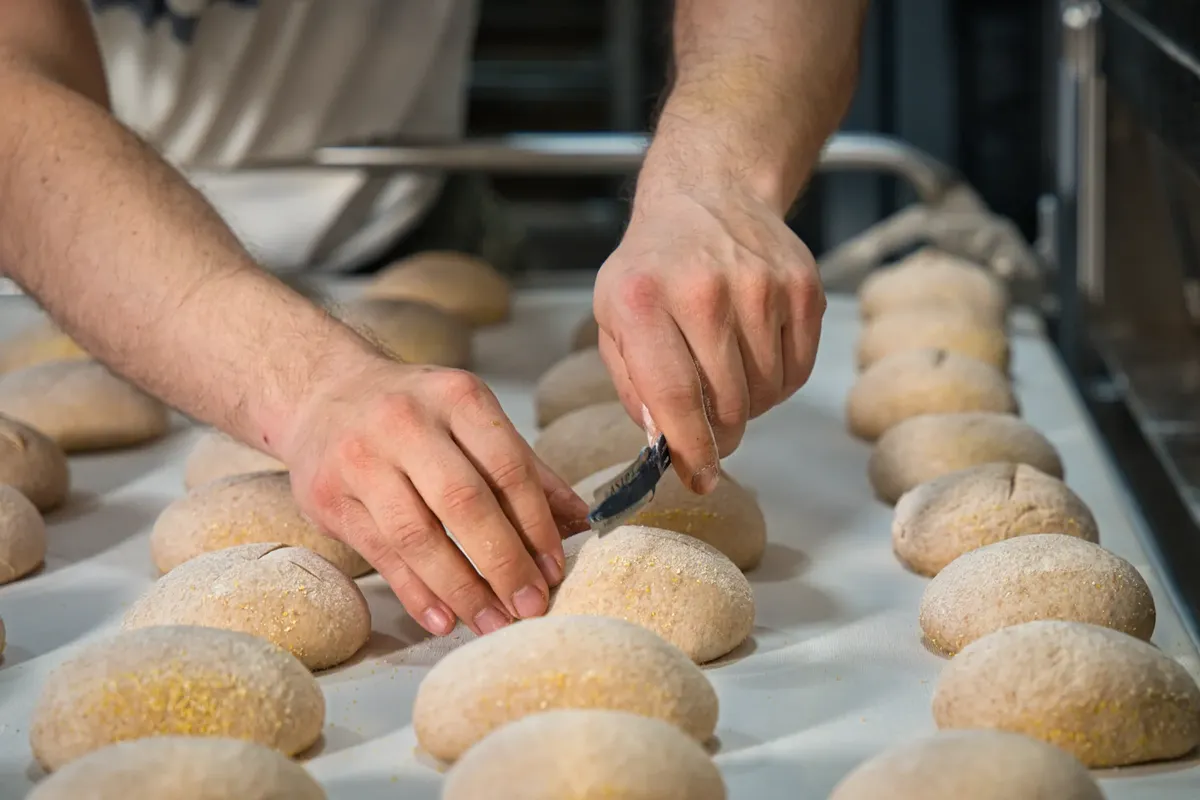
At dawn in the quiet bakery, my tired hands pull the heavy dough across the wooden table to master the basic tension required for even loaves.
A baker stands at a flour-dusted wooden table, pulling a heavy mass of dough across the surface to build tension. Achieving the right shape ensures that the bread rises evenly during the bake.
According to USDA FoodData Central, flavored fish-shaped crackers contain 17.7g of fat and 65.7g of carbohydrates per 100g.
The way dough is handled directly impacts the final crumb and crust structure. Proper techniques allow for uniform heat distribution and controlled expansion in the oven. Without these skills, even the best ingredients will result in unevenly risen loaves.
Historically, the physical nature of this work meant that shaping was not just an art but a strenuous task. Maintaining consistency through repetitive, manual movement was essential for meeting high-volume production needs.
However, these principles may not yield uniform results if the dough's hydration levels are extremely inconsistent. I will explain why these fundamentals matter in the following steps.
How do beginner bread forming techniques affect the dough?
In the warm kitchen, I feel the sticky resistance as the beginner techniques transform the loose mass into a tight, basic structure.
A baker gently folds the edges of a dough ball toward the center, creating a smooth, tight skin. This process of beginner bread forming is vital for creating internal structure.
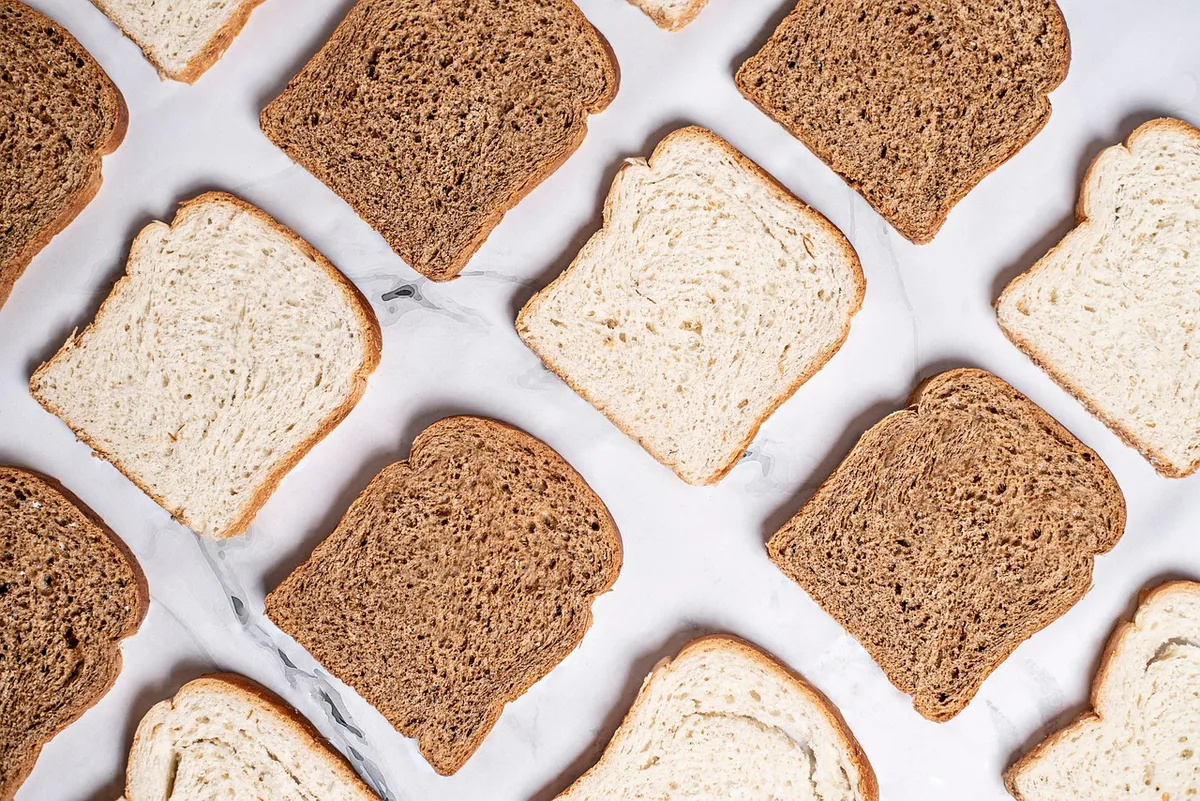
When you shape dough, you are essentially organizing the gluten network to hold gases. If the tension is too loose, the bread will spread outward rather than upward. If it is too tight, the crust may crack prematurely.
The goal is to create a tension-filled surface that can withstand the expansion of fermentation. This balance is the foundation of successful loaf production.
This approach is not a substitute for proper fermentation timing. I focus on how these initial movements influence the dough structure in this section.
What are the core dough shaping basics to remember?
A baker uses the heels of their hands to pull the dough toward them, creating a taut surface. These dough shaping basics are the building blocks of all professional bread production.
Effective shaping involves three main elements: tension, surface area, and volume. You must create enough surface tension to support the rise while ensuring the interior remains aerated.
- Divide the dough into equal portions to ensure consistent baking times across all loaves. 2. Pre-shape the dough into rough rounds to relax the gluten slightly before the final shape. 3. Perform the final shape by tensioning the dough against the work surface to create a tight skin.
After completing these steps, check that the dough feels firm and elastic to the touch.
These techniques may not work effectively if the dough is over-proofed. I note that the second point in this list is the most critical to remember.
How does shaping impact bread rise?
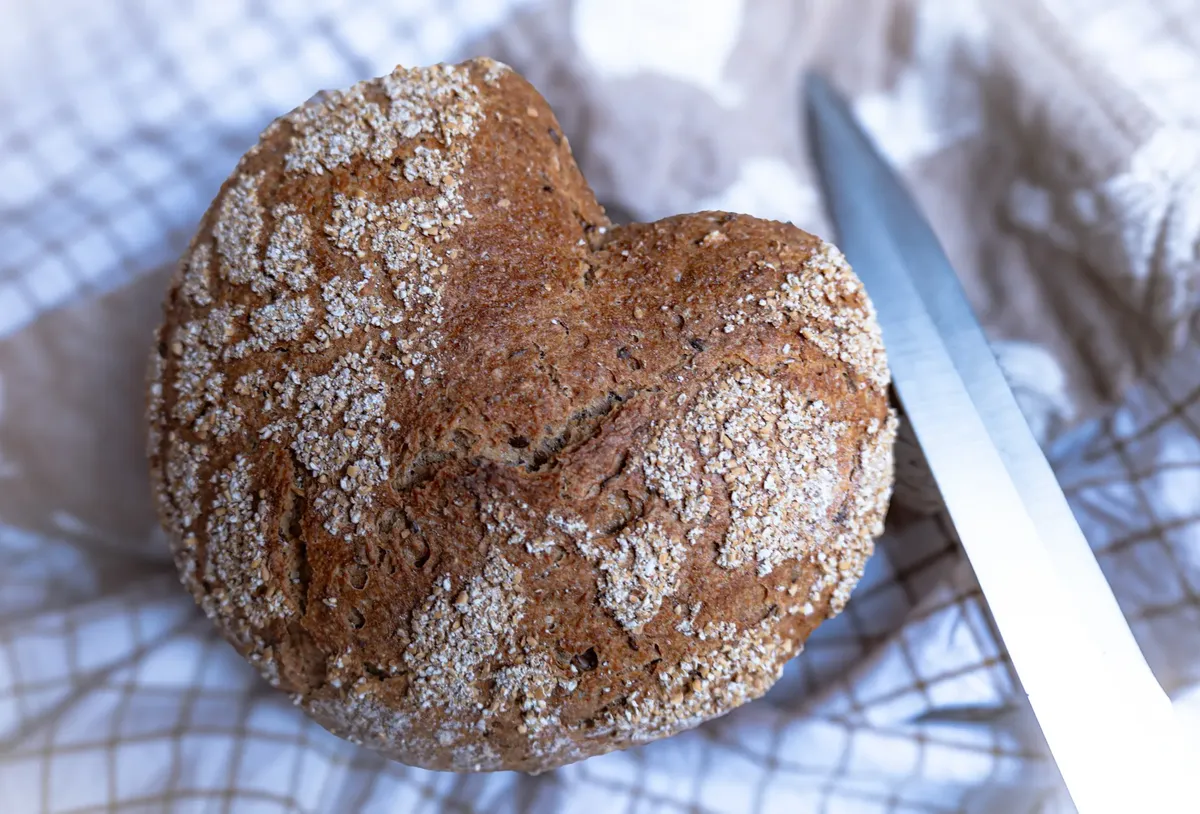
A baker places a shaped loaf into a proofing basket, watching as the dough slowly expands. Understanding how shaping impact bread rise is critical for predicting the final volume.
The shape dictates how the bread expands when it hits the heat of the oven. A well-shaped loaf will expand upward, while a poorly shaped one might lose its structure.
I remember the first time I attempted to shape a large batch; the physical fatigue from the repetitive motion was much higher than I anticipated. The weight of the dough and the constant tensioning required significant strength.
The benefits of proper tension are limited if the oven spring is hindered by other factors. I address the relationship between surface tension and volume here.
How can you handle troubleshooting bread failures?
A baker examines a collapsed loaf with a disappointed sigh, looking for signs of over-proofing or poor tension. Troubleshooting bread failures often leads back to the initial shaping stage.
If a loaf spreads too much, the surface tension was likely insufficient during the shaping process. If the crust cracks excessively, the tension may have been too high for the dough's strength.
The relationship between dough strength and shaping technique is a constant learning curve. Adjusting your hand pressure and folding methods is the primary way to fix these issues.
These solutions are not applicable if the starter itself is inactive. I outline the troubleshooting steps in the order provided.
What is the reality of professional bakery shifts?
A worker wipes sweat from their brow during a late-night shift, surrounded by the smell of yeast and flour. The history of the profession shows that labor has often been grueling.
The work of baking was historically physically taxing, especially during the kneading and shaping phases. In many historical contexts, workers faced shifts of between 14 and 18 hours a day.
While modern technology has changed many aspects of the industry, the manual effort required for certain staples remains high. This physical demand is a reality for those working in traditional or high-volume environments.
These observations do not account for the specific workflows of every unique bakery. I describe the daily routine in the following sentences.
Related
- Dough making failure causes: Why dough fails often
- Essential tools for safe baking: How to manage heat
FAQ
How does shaping impact the final texture?
The tension created during the shaping process determines how much the dough expands upward. This expansion affects the crumb structure and the thickness of the crust.
What is a common troubleshooting bread failure?
A common issue is the dough spreading flat instead of rising upward. This often happens when the surface tension is not sufficiently developed during the shaping process.
The history of baking shows that the work was physically demanding, with workers often working shifts of 14 to 18 hours. This manual labor was a core part of the profession.
How does dough consistency relate to the work of baking? 1. Dough consistency dictates how effectively the baker can build the necessary surface tension during shaping. 2. If the dough lacks the proper consistency, the manual work required for shaping becomes significantly more difficult. 3. Maintaining a consistent dough texture allows the baker to apply uniform pressure across the mass during the process. 4. This uniformity in the initial dough state supports the even expansion that the baking process requires.
What cautions should a baker observe during the shaping work? 1. Bakers must caution against over-tightening the dough, as this can lead to premature crust cracking. 2. Conversely, insufficient tension during the shaping work will cause the loaf to spread instead of achieving a proper rise. 3. The physical demands of the work necessitate careful management of hand pressure throughout the shaping stages. 4. Recognizing the dough's current state allows the baker to adjust the intensity of the manual labor applied.
The physical nature of the work, particularly the kneading and shaping, meant that consistency was a constant battle against the dough's inherent resistance. Workers needed to constantly assess the dough's pliability to ensure the final product met expectations.
The historical context of the work shows that the sheer duration of the shifts placed immense strain on the workers performing the manual shaping. This labor intensity highlights the difference between modern and past practices in baking.
Understanding the interplay between dough consistency and shaping technique is crucial for any aspiring baker navigating the physical demands of the work.

Comments 0