Dough making failure causes: Why dough fails often
This article explains Dough making failure causes together with Why dough fails often, and it also covers Troubleshooting baking dough.
"The difference between a perfect bake and a kitchen disaster often lies in the invisible details of the preparation phase."
Understanding common dough making failure causes is the first step toward consistent baking success. This guide explores why textures fail, how to troubleshoot dough problems, and how to avoid beginner dough mistakes through better ingredient management.
You will learn to identify why dough fails often and how to manage ingredients like sugar and oatmeal to maintain consistency.
Why do ingredients change the texture?
In the dim morning light, she presses her fingers into the sticky dough to feel how the added sugar changes its resistance.
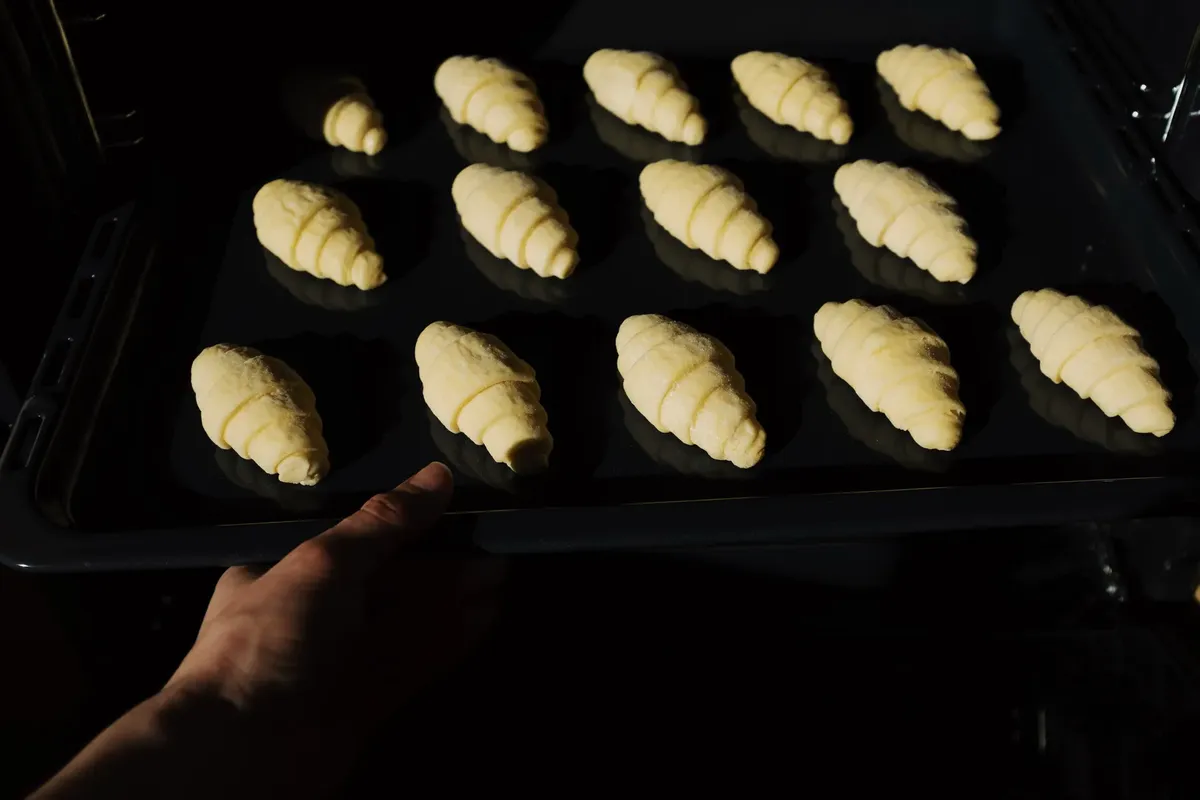
A baker stands at a wooden countertop, carefully measuring flour and sugar while wondering why two identical recipes yield different results. The texture of the final product depends heavily on the specific composition of the refrigerated dough used during the mixing stage.
The nutritional makeup of ingredients directly influences the structure of the dough during the baking process.
These differences in protein and fat ratios change how the dough holds its shape.
Beginner dough mistakes often stem from ignoring how different sugars or grains interact with moisture. Using different base ingredients changes the density and crumb of the final cookie.
I find that understanding the chemical interaction between proteins and fats is essential to mastering texture.
How to troubleshoot dough problems during mixing? Dough making failure causes
A person stirs a heavy bowl, noticing the dough is either too sticky or too crumb-like to hold a shape. Troubleshooting dough problems requires an understanding of how moisture and fats interact within the bowl.
Successful dough requires a balance of fats and dry ingredients to prevent structural collapse. For instance, when comparing refrigerated dough types, the oatmeal version provides 2.8g of dietary fiber, whereas the sugar version provides only 0.9g of dietary fiber.
This difference in fiber content affects how the dough absorbs liquids and expands.
One might find that a dough is too soft if the fat content is too high or the moisture is not properly absorbed. Identifying these subtle shifts helps ensure a better bake every time.
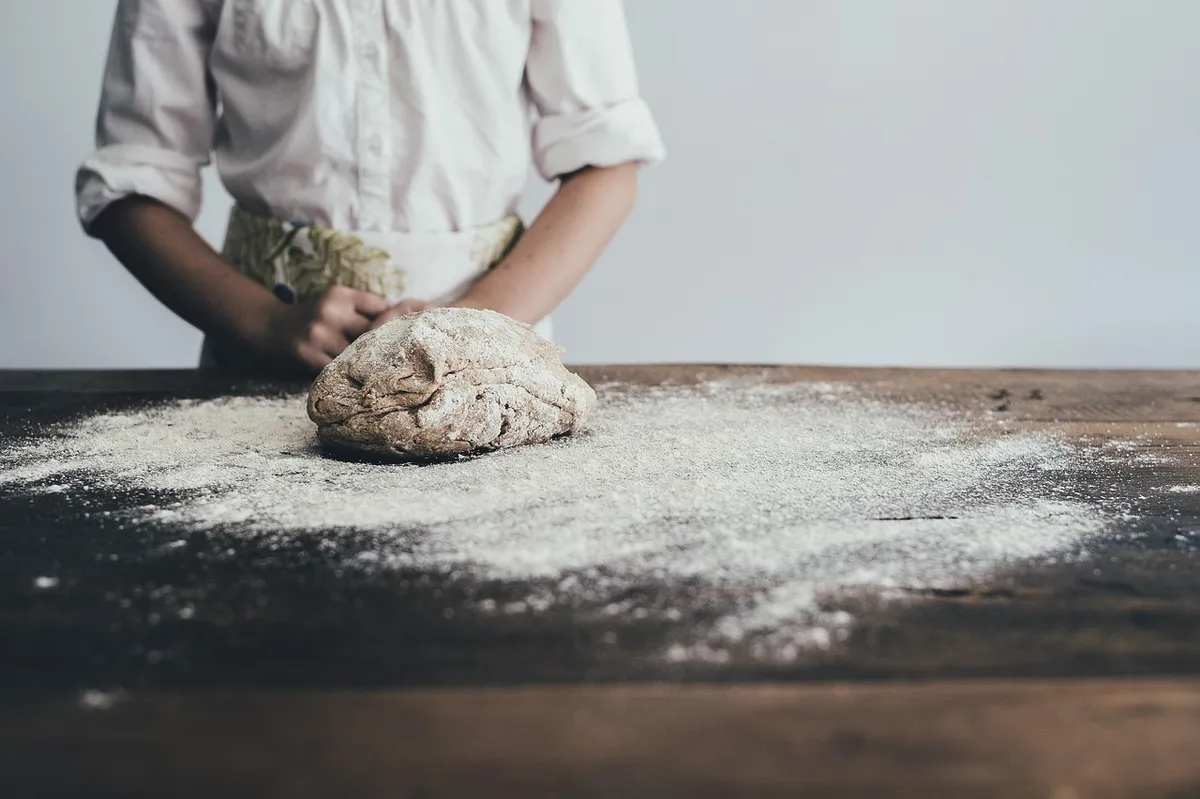
- Assess the hydration level of the dough.
- Check the temperature of the ingredients.
- Adjust the mixing time based on the desired elasticity.
How to avoid common beginner dough mistakes?
At the flour-dusted countertop, he kneads the heavy dough while sweating from the heat of the kitchen.
A baker looks at a tray of unevenly risen cookies and realizes the mistake happened during the initial prep. Avoiding beginner dough mistakes involves mastering the ratio of dry to wet ingredients before the oven is even preheated.
The specific composition of the ingredients dictates the final weight and volume of the dough. If you are working with refrigerated dough, you must account for the specific protein levels of your base.
For example, sugar-based dough has a different protein profile compared to oatmeal-based dough, which can lead to varying structural integrity.
| Dough Type | Protein (per 100g) | Fiber (per 100g) |
|---|---|---|
| Oatmeal Refrigerated Dough | 6g | 2.8g |
| Sugar Refrigerated Dough | 4.7g | 0.9g |
I noticed that adjusting the protein-to-fat ratio is essential when switching between these two types of dough.
I believe the second step in the troubleshooting process is the most critical for beginners.
What are the primary reasons for dough failure?
A person pulls a tray from the oven only to find the cookies have spread too much or remained too hard. Understanding why dough fails often is essential for anyone moving beyond basic recipes.
The primary reasons for failure often involve incorrect ingredient ratios or temperature fluctuations during the preparation phase. If the protein content is too low, the dough may lack the strength to hold its shape.
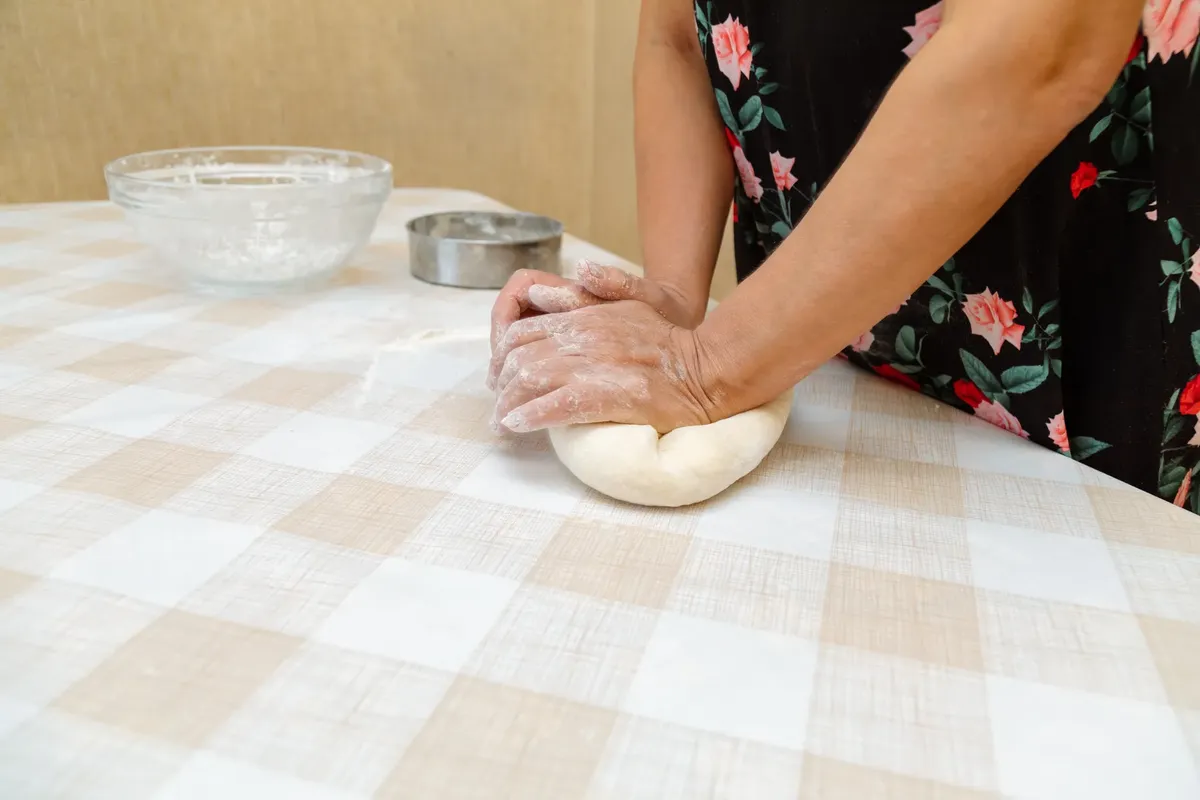
Conversely, if the fat content is too high relative to the structure-building ingredients, the dough may spread excessively.
A failure in the dough process can often be traced back to the specific nutritional profile of the ingredients used. For example, the difference in sodium levels between oatmeal dough (327mg) and sugar dough (362mg) can subtly influence the flavor and moisture retention.
Failure often stems from improper fermentation or incorrect ingredient ratios.
How to improve dough making skills through consistency?
A baker meticulously weighs every gram of sugar and flour to ensure the next batch is identical to the last. Improving dough making skills requires a transition from following a recipe to understanding the science of ingredients.
To achieve consistency, follow these steps for managing refrigerated dough:
- Verify the protein and fat content of your specific ingredient mix to predict structural strength. 2. Measure all ingredients precisely to maintain the intended ratio of fiber and moisture. 3. Monitor the temperature of the dough to ensure the fats do not melt prematurely.
Always perform a final check of the dough's consistency against the expected texture before portioning.
Regularly practicing the same recipe allows you to notice subtle changes in dough behavior.
Can different doughs be used interchangeably?
A baker holds two different dough balls, one dark and grainy, the other pale and smooth, wondering if they can be swapped. You cannot simply swap ingredients without accounting for the changes in fiber and protein.
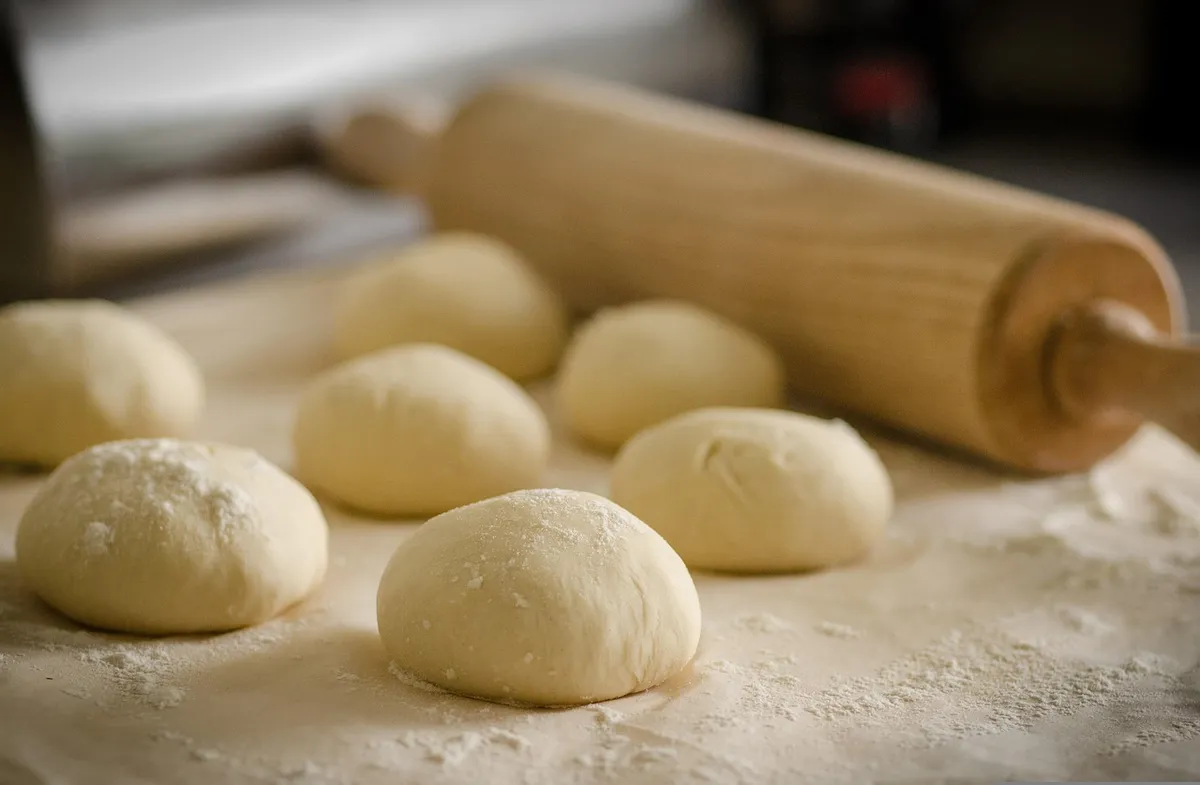
Using an oatmeal-based dough in a recipe designed for sugar-based dough will significantly alter the texture due to the higher fiber and protein content. The oatmeal version has 2.8g of fiber compared to 0.9g in the sugar version.
This change in bulk and absorption means the dough will behave differently during the bake.
The limitation of these comparisons is that they only apply to the specific nutritional values provided for these two refrigerated dough types.
While some recipes are flexible, the specific hydration and gluten content usually prevent direct substitution.
The subject here is Dough making failure causes.
The same subject is also called Basic dough errors fix.
This part also covers Dough process failure reasons.
This part also covers Troubleshooting baking dough.
Dough process failure reasons
Related
- Essential tools for safe baking: How to manage heat
- Water Absorption Guide Tool impact on bread making tips
FAQ
What are the main causes of dough failure?
The main causes of dough failure include incorrect ingredient ratios and an imbalance between fats, proteins, and moisture. This can result in cookies that are too hard or spread too much during the baking process.
How do different ingredients affect the final product?
Different ingredients change the structural integrity of the dough through varying levels of protein and fiber. For example, oatmeal-based dough contains 6g of protein and 2.8g of fiber, while sugar-based dough contains 4.7g of protein and 0.9g of fiber.
The effectiveness of these troubleshooting methods depends on the specific ingredients and the intended final texture of the baked goods.

Comments 0