Basic bread proofing time: Guide to best dough rise
This article explains Basic bread proofing time together with Baking dough timing, and it also covers Troubleshoot bread failure.
"The difference between a dense loaf and a light, airy masterpiece often rests entirely on the quiet transformation happening inside the dough bowl."
Mastering basic bread proofing time requires understanding how fermentation interacts with ingredients to create texture and digestibility. This guide covers how rising times affect FODMAP levels, the role of flour protein, and how to manage fermentation to achieve the best results.
What defines the basic bread proofing time?
At dawn in the warm kitchen, I press my finger into the soft dough to check the basic rise.
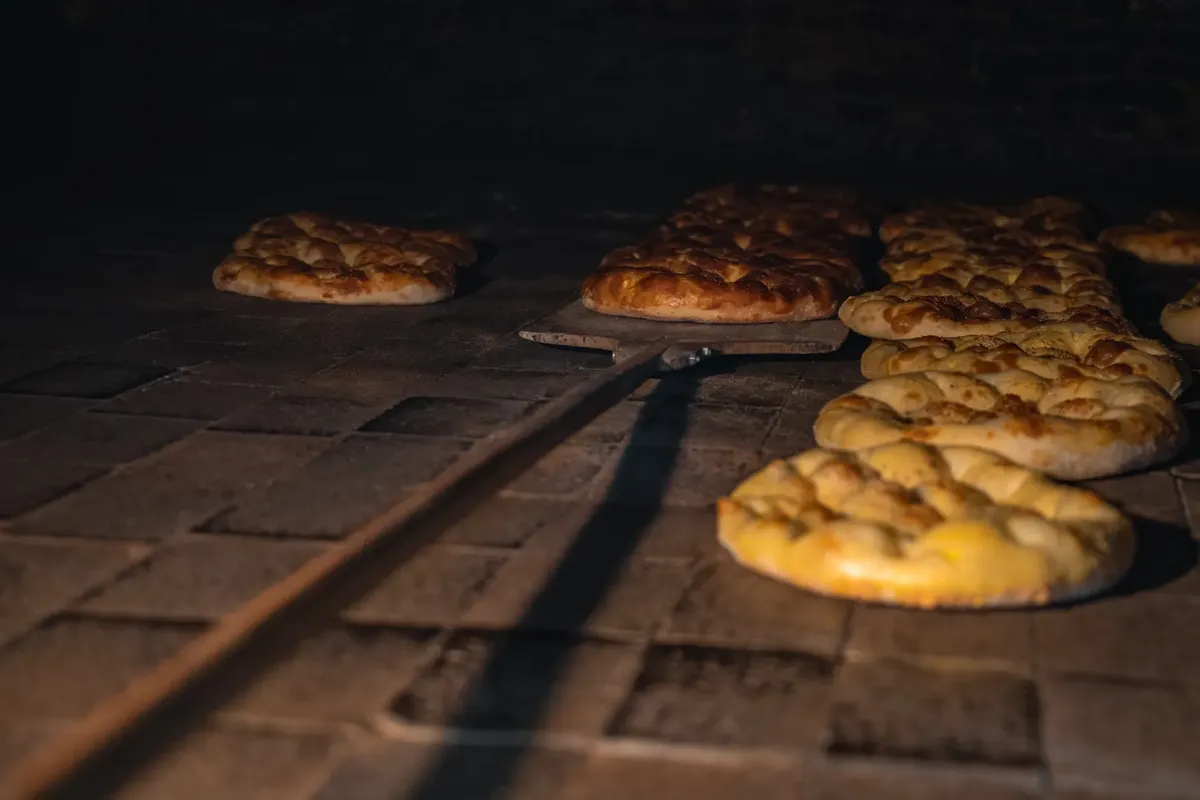
A baker stands over a bowl of rising dough, watching the surface slowly expand as yeast works through the mixture. This fundamental period of fermentation is essential for volume and flavor development.
The duration of fermentation depends heavily on temperature, yeast activity, and the specific ingredients used in the recipe. While every recipe varies, the timing is a critical factor in how the dough structure develops and how much gas is trapped within the gluten network.
Understanding the dough rise time guide involves recognizing that fermentation is a biological process. This process breaks down sugars and helps develop the complex flavors found in artisan loaves.
However, these timeframes may vary significantly depending on the ambient temperature of your kitchen.
How does rising time affect digestibility?
Sitting at the wooden table in the afternoon, I feel a heavy ache in my stomach after eating a loaf that missed its basic fermentation window.
A person sits at a wooden table, feeling the heavy sensation in their stomach after consuming a dense, poorly fermented loaf. They wonder if the timing of the rise could have prevented such discomfort.
The way dough interacts with carbohydrates can significantly impact how the body processes it. For those sensitive to certain sugars, the fermentation process plays a vital role in breaking down specific compounds.
Instead, 90% of the FODMAPs that cause discomfort can be broken much of the way during a rising time of four hours. This suggests that extended fermentation can change the chemical makeup of the dough to be more tolerable for some.
Some flours, such as spelt, emmer, or einkorn, contain fewer FODMAPs, but the difference between grain types is relatively small, typically between 1 and 2 percent by weight. This subtle difference means that the fermentation process itself is often more influential than the grain type alone.
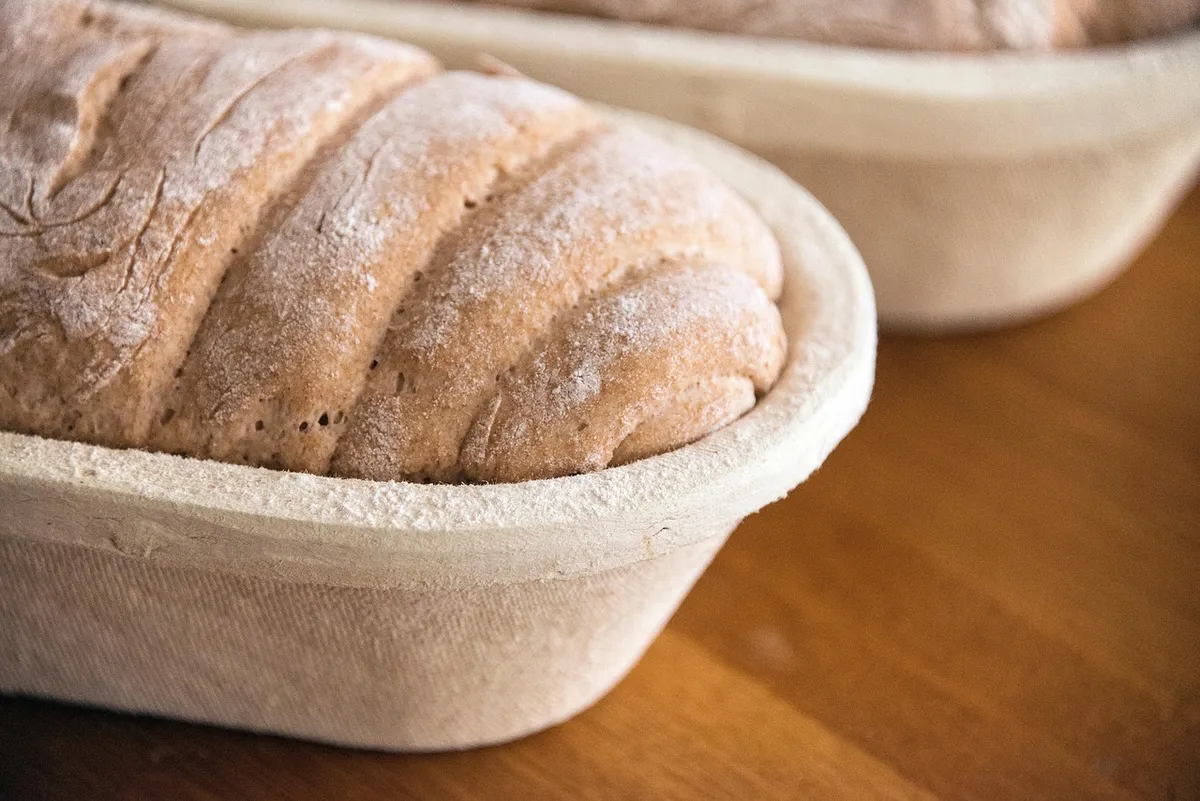
However, extended fermentation does not always guarantee improved digestibility if the dough structure collapses.
How do flour types influence fermentation?
A baker reaches for a bag of flour, feeling the powdery texture and noting the different protein levels between the white and whole grain varieties. They know the protein will dictate how much the dough can hold.
The protein content of the flour used directly affects how the dough rises and maintains its structure. Different flours require different handling to ensure the fermentation process produces a successful loaf.
The amount of flour is denoted to be 100%, and the other ingredients are expressed as a percentage of that amount by weight. This standardized way of measuring ensures that the ratio of water to protein is consistent across different batches.
Hard wheat flours absorb about 62% water, while softer wheat flours absorb about 56%. Because of these absorption rates, the dough's consistency will change depending on the flour, affecting the optimal proofing conditions.
However, the effects of protein content on fermentation speed may be limited in low-protein flours.
What is the best way to manage dough hydration?
A baker pours water into a large mixing bowl, carefully measuring the liquid to match the thirsty flour. They watch as the mixture thickens, knowing the balance of wet and dry is the key to success.
Achieving the right dough consistency is a balance between protein strength and water absorption. The interaction between water and flour determines how much the dough can expand during the proofing stage.
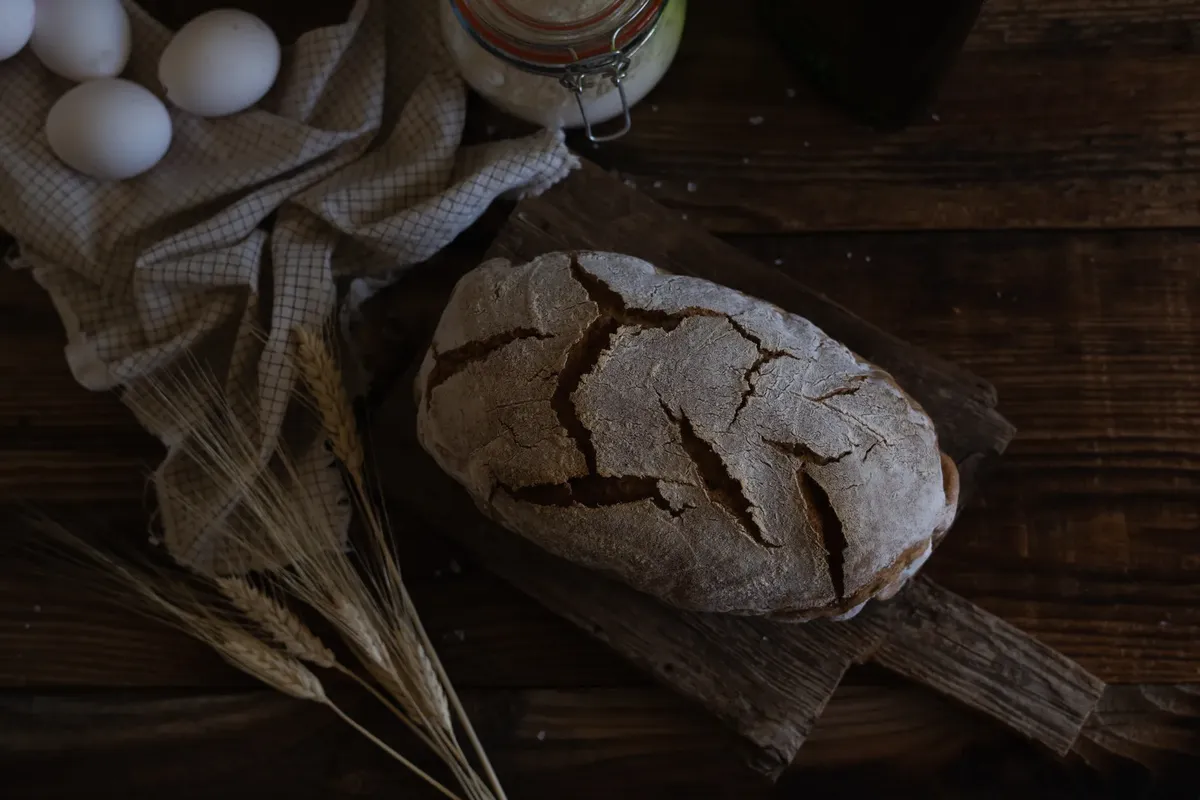
Most artisan bread formulas contain anywhere from 60 to 75% water. This range allows for a variety of textures, from tight and chewy to open and airy, depending on the desired outcome.
If one uses a flour with a lower protein content (9–11%) to produce bread, a shorter mixing time is required to develop gluten strength properly. This is because low-protein flours can become over-worked more easily than high-protein varieties.
| Flour Type | Water Absorption |
|---|---|
| Hard Wheat | 62% |
| Soft Wheat | 56% |
I noticed that when I used a lower protein flour, I had to adjust my mixing time to ensure the gluten didn't become too tough.
However, high hydration levels can be difficult to manage if the flour lacks sufficient strength.
How can you ensure a high-quality rise?
A baker inspects a golden-brown loaf, noting the strong structure and pleasant aroma. They realize that using the right ingredients was just as important as the timing of the rise.
According to the Flour Milling and Baking Research Association, the Pressure-Vacuum mixer was later developed by the Flour Milling and Baking Research Association for the Chorleywood bread process.
To achieve a professional-grade loaf, the quality of the flour and the precision of the ingredients are paramount. High-protein flours provide the structural integrity needed to hold the gases produced during fermentation.
While bread can be made from all-purpose wheat flour, a specialty bread flour, containing more protein (12–14%), is recommended for high-quality bread. This higher protein content supports a better effect of proofing on bread by providing a stronger gluten network.
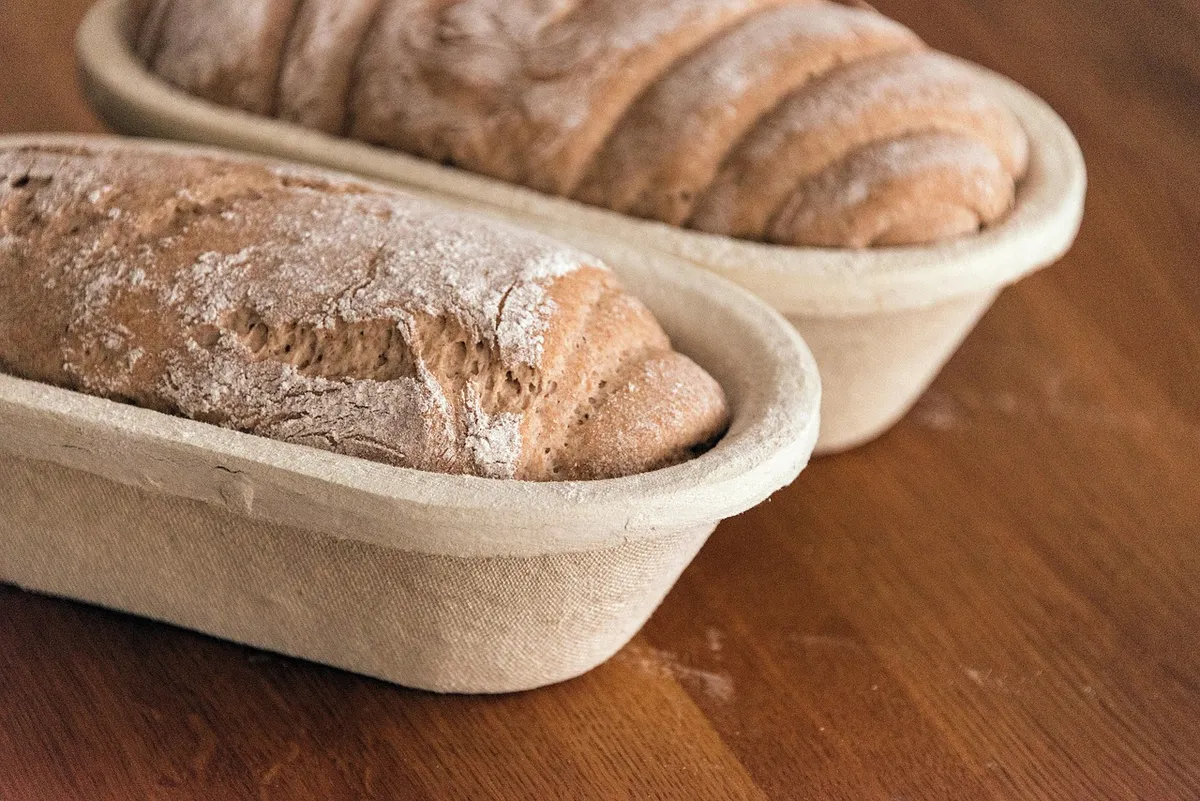
A fat content of approximately 3% by weight is the concentration that produces the greatest leavening action. This specific ratio helps the dough expand more effectively during the rise.
- Select a specialty flour with a protein content between 12% and 14% to ensure a strong gluten structure. 2. Calculate all ingredients as a percentage of the flour weight to maintain consistency. 3. Monitor the dough closely during the rising process, adjusting for the specific absorption rates of your flour. 4. Check the dough's elasticity and volume to ensure it has reached the desired state before baking.
However, over-proofing will lead to a loss of structure regardless of the technique used.
- What defines the basic bread proofing time?
- How does rising time affect digestibility?
- How do flour types influence fermentation?
Related
- Mastering Dough Rise with Baking Bread Proofing Time Guide
- Dough guide for beginners to navigate complexities of baking
FAQ
Does the type of flour change the rising process?
Yes, different flours have different absorption rates and protein levels that affect how dough behaves.
Can fermentation make bread easier to digest?
Yes, fermentation can break down certain sugars that cause digestive issues. 90% of the FODMAPs that cause discomfort can be broken down during a rising time of four hours.
The success of the fermentation process is limited by the specific protein content and water absorption rates of the flour being used.
What are the conditions for optimal fermentation? Optimal fermentation conditions require a careful balance among temperature, yeast viability, and the specific composition of the flour. The difference between a successful rise and a flat loaf often hinges on maintaining these environmental variables during the dough's rest period. A stable temperature allows the yeast to work consistently, facilitating the breakdown of sugars.
However, these ideal conditions may not apply when using highly acidic starters.
How does ingredient ratio affect the final texture? Ingredient ratios dictate the dough's handling characteristics and its capacity for gas retention. The difference between a chewy crumb and a delicate structure is often found in the precise percentages used in the recipe. Maintaining the standardized measurement of all ingredients relative to the flour weight ensures predictable results across different baking attempts.
When comparing different flours, the difference in water absorption rates necessitates adjustments to the initial hydration level. For instance, a hard wheat flour demands more liquid than a softer wheat flour to achieve the same dough consistency.


Comments 0