Basic bread storage guide for perfect freshness and flavor
This Basic bread storage guide explains how to store fresh bread and what factors affect bread storage and texture results.
"A loaf of bread is more than just a combination of flour and water; it is a delicate balance of chemistry and timing that begins the moment the dough is shaped."
Maintaining freshness requires understanding how ingredients and environmental factors interact over time. This guide covers the essentials of ingredient selection, the science of rising, and how to handle different types of bread to ensure the best texture and flavor.
- Key takeaways:
- Understanding protein content helps in choosing the right flour for structure. Rising time plays a role in breaking down certain carbohydrates. Heat and crust development affect chemical compositions like acrylamide.
How does flour protein affect the final bread?
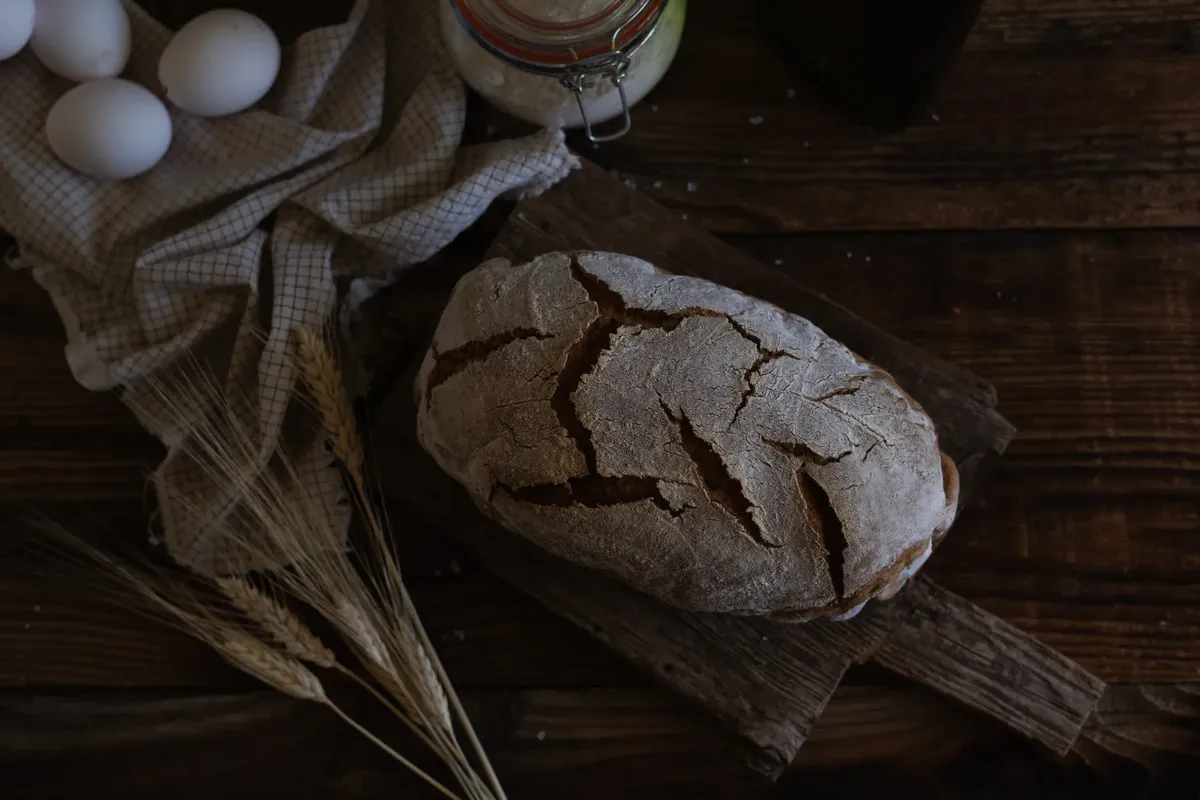
In the dim morning light, the baker rubs the fine flour between their fingers, searching for the basic strength required for a chewy loaf.
A baker reaches for a bag of flour, feeling the fine powder between their fingers while considering the strength of the gluten they need to develop. Selecting the right flour is the foundation of any successful bake.
According to the Flour Milling and Baking Research Association, the Pressure-Vacuum mixer was later developed by the Flour Milling and Baking Research Association for the Chorleywood bread process.
While all-purpose flour is common, using a specialty bread flour with a higher protein content of 12–14% is recommended for high-quality bread. If a baker chooses a flour with a lower protein content, such as 9–11%, a shorter mixing time is required to develop gluten strength properly.
This adjustment ensures the dough does not become over-worked or lose its intended structure.
The weight of ingredients is often calculated relative to the flour, where the amount of flour is denoted as 100% and other ingredients are expressed as a percentage of that weight. This standardizes the recipe for consistent results.
Higher protein levels create a stronger gluten network, resulting in a more structured and chewy loaf.
What happens during the rising process? Basic bread storage guide
As dawn breaks in the quiet kitchen, the baker watches the dough expand, feeling the basic tension of the growing loaf.
The baker watches the dough slowly expand in a warm, quiet kitchen, noting how the volume changes as the yeast works. This period of fermentation is critical for both texture and digestibility.
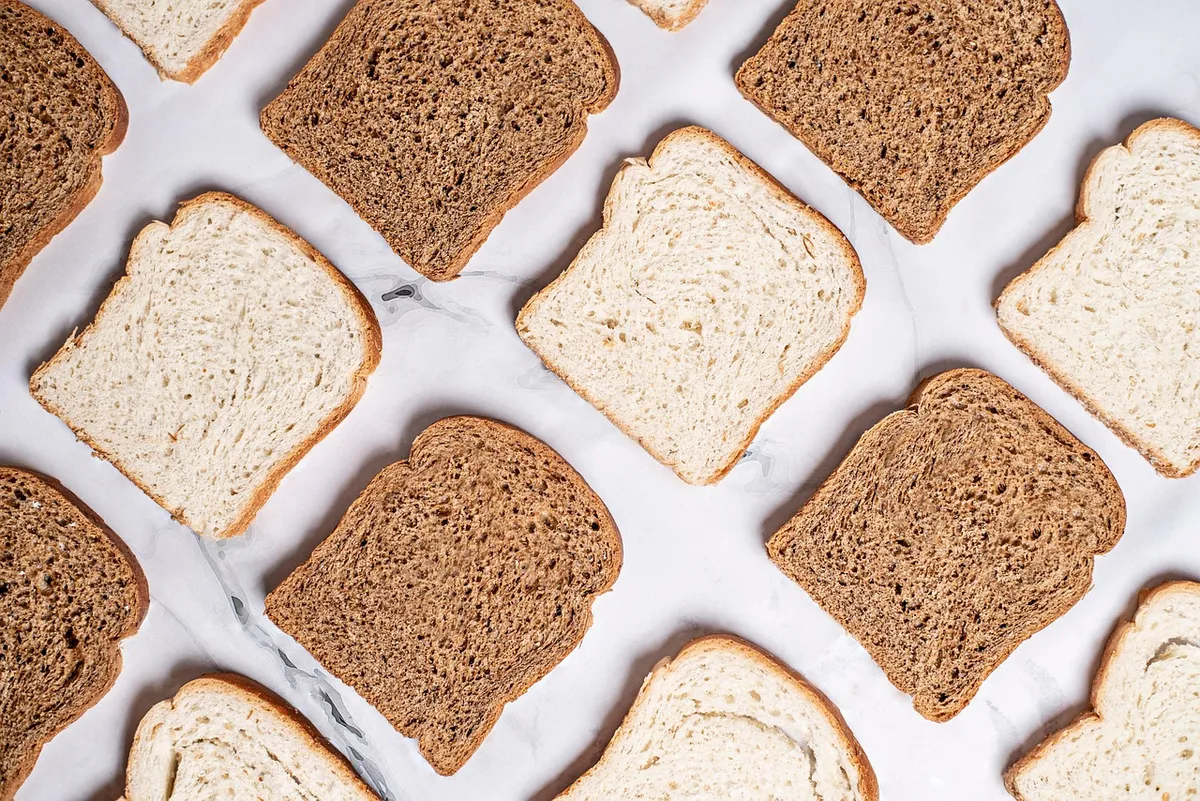
Some flours, such as spelt, emmer, or einkorn, naturally contain fewer FODMAPs, though the difference between these grain types is relatively small, typically between 1 and 2 percent by weight. However, the fermentation process itself provides a significant change.
It has been found that 90% of the FODMAPs that cause discomfort can be broken down during a rising time of four hours.
This biological breakdown helps transform the dough into a more stable structure. Proper timing ensures that the carbohydrates are processed before the baking stage begins.
- Yeast consumes sugars to produce carbon dioxide gas.
- The gas becomes trapped within the gluten network.
- The dough expands as the internal pressure increases.
How do water and fat levels influence texture?
A baker carefully pours water into a mixing bowl, measuring the liquid to ensure the dough reaches the perfect consistency. The relationship between hydration and fat is a core element of bread science.
According to USDA FoodData Central, cinnamon bread contains 5.29g of fat and 44.4g of carbohydrates per 100g.
Hard wheat flours typically absorb about 62% water, whereas softer wheat flours absorb about 56%. Most artisan bread formulas utilize a hydration level containing anywhere from 60 to 75% water.
Additionally, the fat content plays a role in the rise; a fat content of approximately 3% by weight is the concentration that produces the greatest leavening action.
These ratios dictate how the bread will feel when eaten. Managing these levels prevents the loaf from becoming too dense or too fragile.
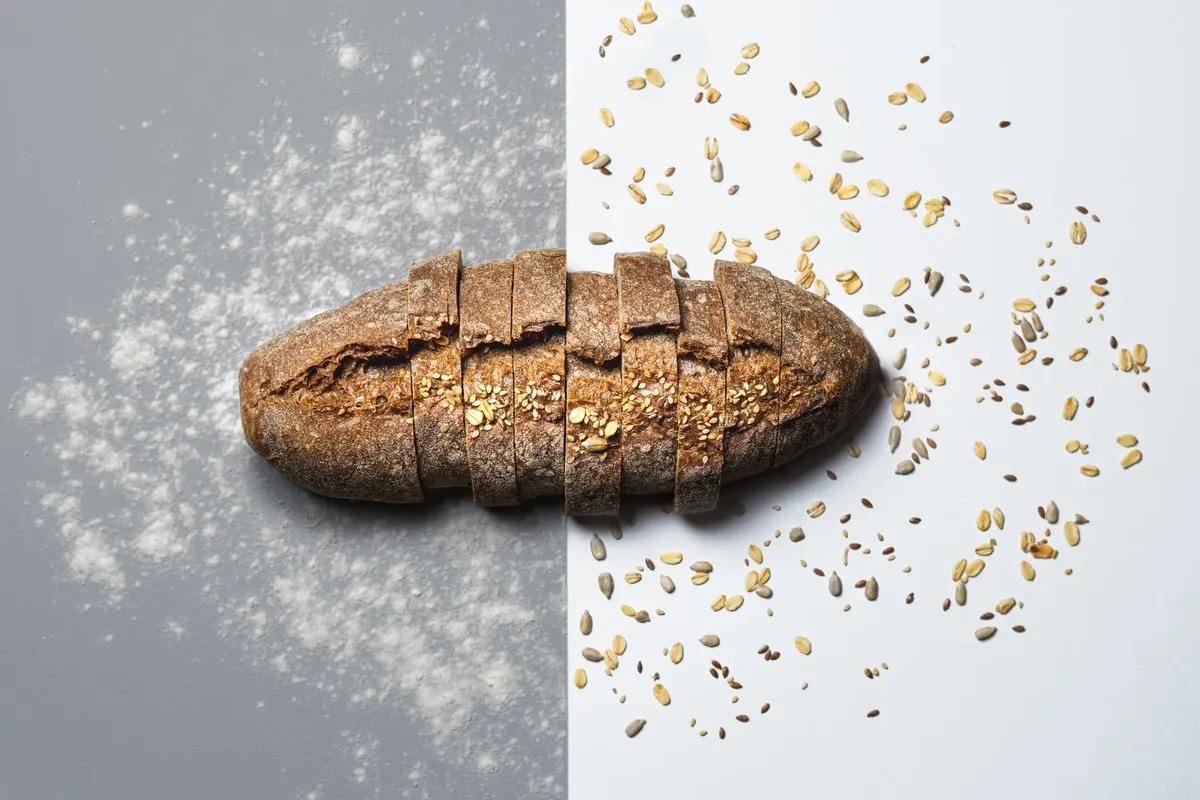
I find that the second step in the rising process is the most critical for volume.
What are the chemical changes during baking?
The oven door closes with a heavy click, and the heat begins to transform the dough into a golden loaf. As temperatures rise, chemical reactions occur that change the composition of the bread.
Acrylamide can occur in bread, similar to other starchy foods that have been heated higher than 120 °C (248 °F). This chemical is often concentrated in specific areas of the loaf. A study has found that more than 99 percent of the acrylamide in bread is found in the crust.
Managing heat is essential for achieving the desired color without over-processing the starch. The crust provides the characteristic crunch, but it also holds the majority of these heat-induced compounds.
Heat causes proteins to coagulate and starches to gelatinize, setting the bread's structure.
How can you manage bread making at home?
A home cook stands in a flour-dusted kitchen, looking at a recipe and deciding which steps to prioritize for the best results. Following a logical sequence helps prevent common mistakes.
- Select a high-protein flour (12–14%) to ensure strong gluten development for structure. 2. Monitor the rising time carefully, allowing at least four hours to help break down FODMAPs. 3. Adjust water levels based on the specific flour type, noting that hard wheat absorbs more than soft wheat. 4. Perform a final check on the dough's elasticity and volume before placing it in the oven.
I once attempted to use a low-protein flour for a heavy loaf and realized a shorter mixing time was necessary to prevent damage. Using the correct protein-to-mixing-time ratio is vital for success.
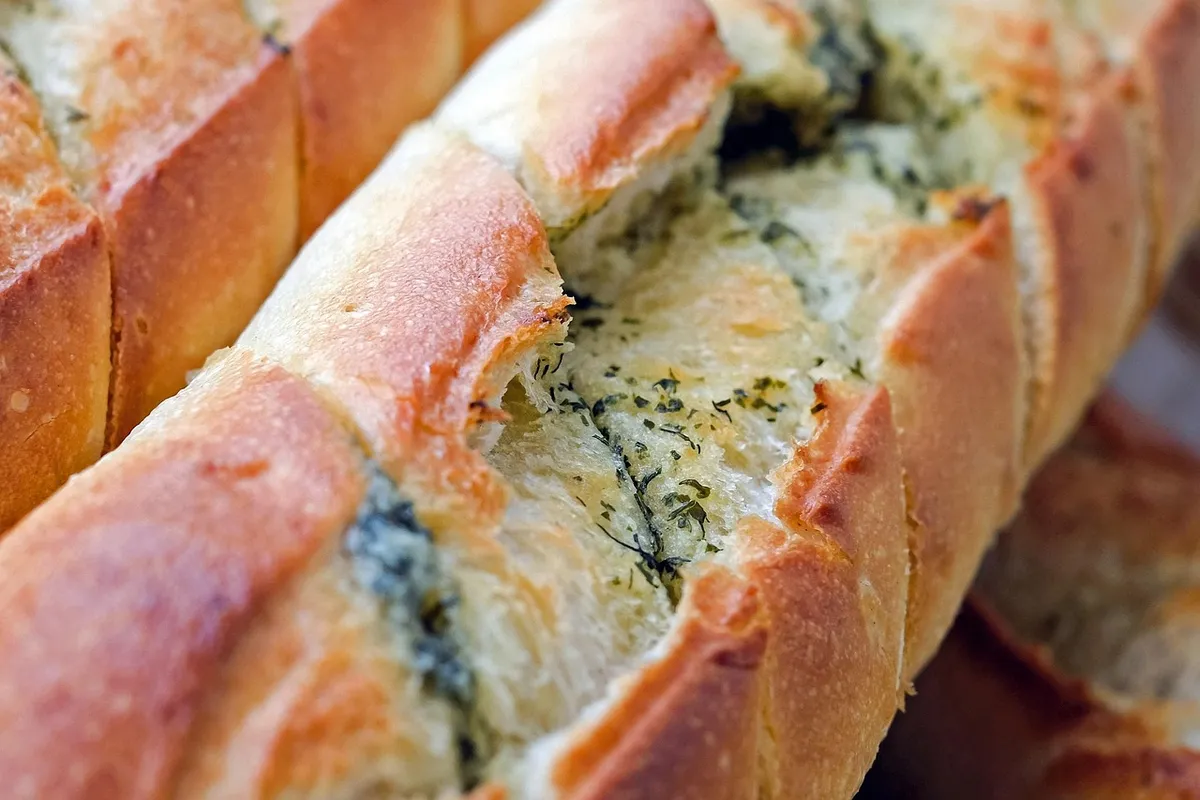
A limitation of these methods is that specific ingredient absorption rates can vary based on the specific brand or environmental humidity, which may deviate from the standard 62% or 56% absorption rates.
Consistent temperature control and careful ingredient measurement are key to repeatable success.
The subject here is Basic bread storage guide.
The same subject is also called How to store fresh bread.
The same subject is also called Bread keeping methods.
The same subject is also called Best bread storage tips.
The same subject is also called Preventing bread going stale.
This part also covers Bread storage and texture results.
This part also covers Troubleshooting bread baking fails.
This part also covers Adjusting ingredient ratios for bread.
Bread storage and texture results
Related
- Bread Tips: How to store bread best for freshness
- Basic bread shaping skills guide for even bread rise
FAQ
What is the best protein content for high-quality bread?
A specialty bread flour containing more protein, specifically between 12% and 14%, is recommended for high-quality bread.
How much of the acrylamide is in the crust?
The process of making bread involves balancing flour protein, hydration, and fermentation to achieve the desired texture and digestibility.
Comments 0