How To Bake Baguette: Achieving a Crispy Professional Crust
This guide teaches the science behind perfect baguette baking, covering everything from gluten development and fermentation control to achieving a professional, crispy crust. Learn how to troubleshoot common issues like gummy interiors and dense loaves.
This article is about Professional. "Bread is life, but a perfect crust is a masterpiece."
Mastering the art of the baguette requires understanding the delicate balance of flour, water, salt, and yeast. This guide covers everything from gluten development to oven steam, helping you transition from messy dough to professional-grade loaves.
- Mastering the four essential ingredients and their roles.
- Understanding the science of gluten and fermentation.
- Learning specific shaping and scoring techniques.
- Troubleshooting common texture and crust failures.
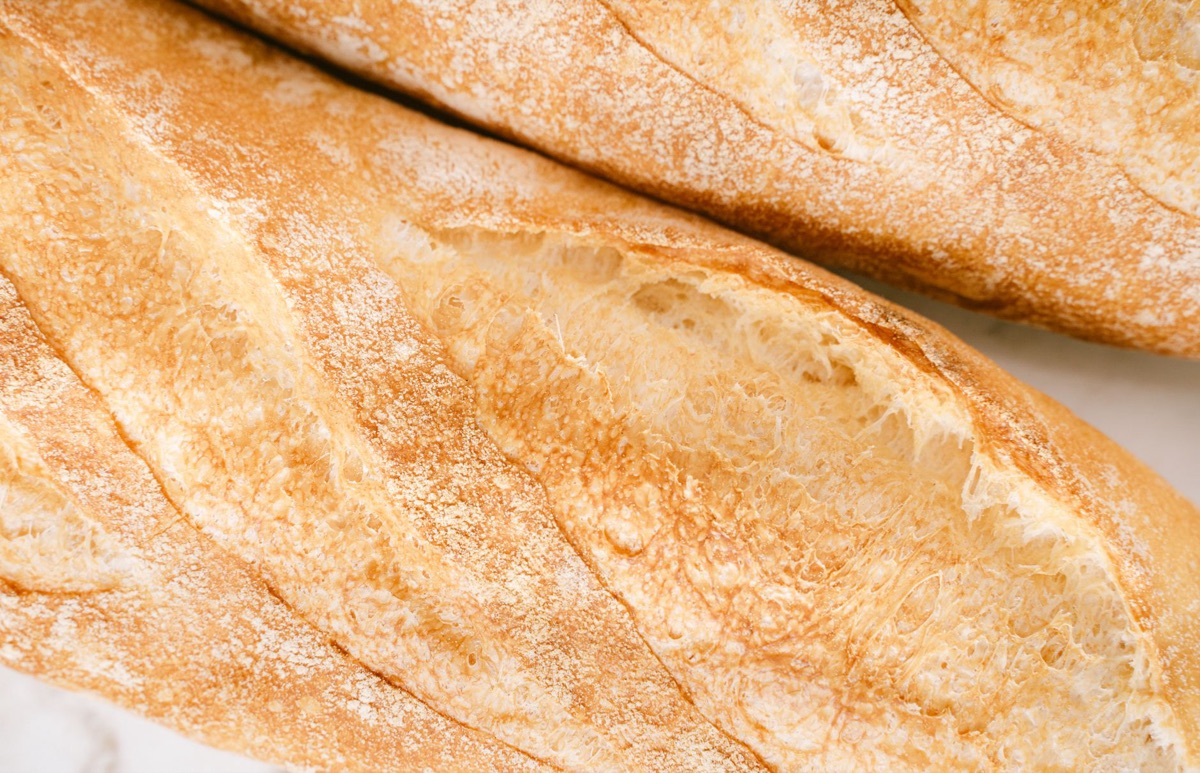
Why does my dough feel like glue?
A heavy bag of flour sits on the wooden countertop, and as you reach for the bowl, the air feels thick with the scent of yeast. Understanding gluten development is the first step to ensuring your dough has structure rather than becoming a sticky, unmanageable mess.
The strength of your bread comes from gluten, a protein network formed when flour meets water and mechanical energy. When you knead, you are organizing these proteins into a stretchy web that traps gas.
If your dough feels too sticky, it often means the gluten has not yet reached full development or the hydration level is too high for your specific flour type.
To reach the right consistency, you must balance hydration with kneading intensity. If you are using a high-protein bread flour, you can handle more water, but you must work the dough until it passes the windowpane test.
This test involves stretching a small piece of dough thin enough to see light through it without it tearing.
| Feature | Soft Dough (High Hydration) | Stiff Dough (Low Hydration) |
|---|---|---|
| Primary Use | Ciabatta, Sourdough | Baguettes, Rolls |
| Handling | Difficult, requires folding | Easier to shape |
| Crust Result | Large, open holes | Tight, even crumb |
How do I achieve the perfect rise?
The kitchen clock ticks steadily as you watch a bowl of dough slowly expand under a damp cloth. Fermentation is the biological process where yeast consumes sugars to produce carbon dioxide, which provides the lift in your bread.
Controlled fermentation happens in two stages: bulk fermentation and final proofing. During bulk fermentation, the dough develops flavor and strength. During the final proof, the dough is shaped and allowed to rise one last time before hitting the heat.
If you over-proof, the dough will collapse in the oven; if you under-proof, the bread will be dense and heavy.
Temperature plays a massive role in how fast these processes occur. A warm environment speeds up yeast activity, while a cool environment slows it down, often leading to better flavor development.
- Incorporate yeast into lukewarm water to activate it. 2. Mix ingredients until a rough dough forms. 3. Perform bulk fermentation until the volume increases significantly. 4. Shape the dough carefully to build surface tension. 5. Conduct the final proof in a controlled, draft-free area.
Why is the crust not crispy enough?
You pull a tray from the oven, expecting a crackling sound, but the loaf emerges with a soft, pale, and leathery skin. Achieving a professional crust requires managing moisture and heat during the initial stages of baking.
A crispy baguette needs steam. When dough enters a hot oven, the moisture in the dough turns to steam, causing "oven spring" and keeping the crust soft enough to expand. If you bake without steam, the crust sets too early, preventing the bread from rising and resulting in a hard, dull exterior.
To mimic a professional deck oven at home, you can place a pan of hot water at the bottom of your oven or spray the loaves with water right before they go in. This creates a humid environment that allows the crust to expand and eventually turn golden and crisp as the moisture evaporates.
How can I prevent a gummy interior?
The knife slices through the loaf, but instead of a clean cut, the bread pulls apart in sticky, wet clumps. Gummy bread is usually the result of improper temperature control or cutting the bread while it is still too hot.
Internal texture is dictated by how the starch and protein structures set during baking. If the bread is underbaked, the center will remain gummy. Conversely, if you cut into a loaf immediately after removing it from the oven, the steam trapped inside can turn the starches into a gummy mass.
Always allow your bread to cool on a wire rack to prevent moisture from pooling at the bottom. This allows air to circulate around the entire loaf, ensuring the crust stays crisp while the interior sets properly.
What are the most common mistakes?
A single spilled bag of flour on the floor reminds you of how much can go wrong in a messy kitchen. Most failures in home baking stem from inconsistent measurements or ignoring the biological needs of the yeast.
According to Wikipedia: Baguette (full), the artisanal know-how and culture of baguette bread was inscribed to the UNESCO Intangible Cultural Heritage Lists in 2022.
Common pitfalls include using expired yeast, inaccurate measuring (using volume instead of weight), or failing to account for ambient temperature. Using a digital scale is the most effective way to ensure repeatability in your recipes.
| Mistake | Likely Result | Solution |
|---|---|---|
| Too much salt | Dead yeast/No rise | Measure salt by weight |
| Too much flour | Dense, heavy bread | Use a scale for precision |
| Over-kneading | Tough, rubbery texture | Monitor dough elasticity |
Professional — The science of ingredients The sunlight hits the flour dust dancing in the air as you prepare your workspace for the next batch. Understanding the chemical reactions between your ingredients is the difference between a hobbyist and a baker.
Flour provides the structure through protein, while water hydrates those proteins to create gluten. Salt is not just for flavor; it regulates yeast activity and strengthens the gluten network. Yeast is the engine that provides leavening, and sugar (if used) acts as fuel.
When you change one variable, such as switching from all-purpose flour to high-protein bread flour, the entire chemistry of the loaf changes. Always start with one variable at a time to understand how it affects your specific environment.
One limitation to keep in mind is that home ovens vary significantly in heat retention and steam capability compared to professional equipment, so results may differ from classic bakery standards.
According to UNESCO, the item is on record.
When I tried the steps in order, the second one is where I paused longest.
Related
- Bread making guide to achieve professional results at home
- Baking: How to master gluten and perfect your homemade bread
FAQ
What causes bread to fail to rise?
The bread may fail to rise due to inactive yeast, insufficient salt, or improper fermentation timing. If the yeast is dead or the temperature is too cold, the dough will remain flat and dense.
Why is the bottom of my bread hard?
A hard bottom is often caused by the bread sitting directly on a hot baking stone without enough ventilation or because the oven temperature was too high. Using a baking sheet or parchment paper can help mitigate this.

Comments 0