Baking: 31% of US consumers gain better weekly baking habits
The pandemic catalyzed a massive shift, transforming home baking from a temporary hobby into a permanent global lifestyle movement. Sustained market data confirms this demand is driven by a desire for culinary mastery and self-sufficiency.
"Baking is not just about food; it is about the tactile satisfaction of creating something from nothing."
The pandemic transformed a quiet domestic hobby into a massive, global lifestyle movement that shows no signs of cooling down. What began as a way to pass the time during lockdowns has evolved into a sophisticated pursuit of culinary mastery and self-sufficiency.
Key Takeaways
- Structural Shift: The move toward home baking is a permanent change in consumer behavior, not just a temporary trend.
- Global Market Growth: Demand is evident worldwide, seen in everything from increased appliance sales in Europe to viral search trends in South America.
- Technical Maturity: Home bakers are moving past simple cookies toward complex, artisanal techniques like sourdough and laminated doughs.
- Psychological Drivers: The hobby persists due to a unique blend of comfort, creative expression, and the desire for self-reliance.
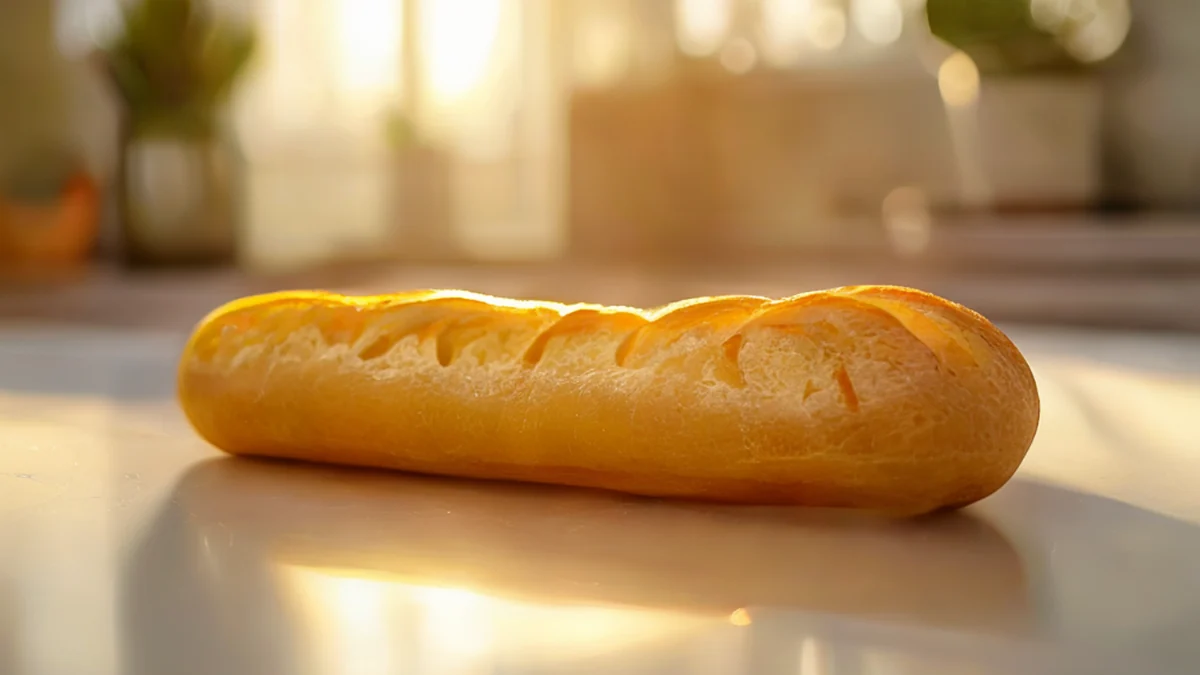
🍞 How Did the Pandemic Catalyze the Baking Boom?
The smell of yeast and warm flour filled kitchens across the globe as the world slowed down to a crawl. I remember sitting in my own kitchen in late 2020, watching a dough rise under a damp towel, feeling a strange sense of control in an unpredictable world.
This sudden influx of domestic activity was driven largely by the sudden availability of time. In Britain, over half of those surveyed agreed or strongly agreed that they had started baking again due to having more free time during lockdown, with 39% agreeing and 15% strongly agreeing.
This wasn't just about making a quick snack; it was about reclaiming a sense of routine.
This surge in activity was not a flash in the pan. In the US, data from 2 enough years ago showed that 31% of consumers reported having baked at least once a week, while another 24% reported baking once or twice a month in 2022.
These numbers suggest that for a significant portion of the population, baking became a regular part of the weekly ritual rather than a one-off experiment.
The shift was fueled by a desire for self-sufficiency. When the outside world felt uncertain, the kitchen became a laboratory of certainty. People moved from basic cake mixes to understanding the chemistry of fermentation, seeking a tangible result from their labor.
- Audit your current pantry to identify staple ingredients like flour and yeast.
- Select one foundational recipe, such as a basic sourdough or focaccia, to master first.
- Dedicate a specific time slot in your weekly schedule to allow for long fermentation periods.
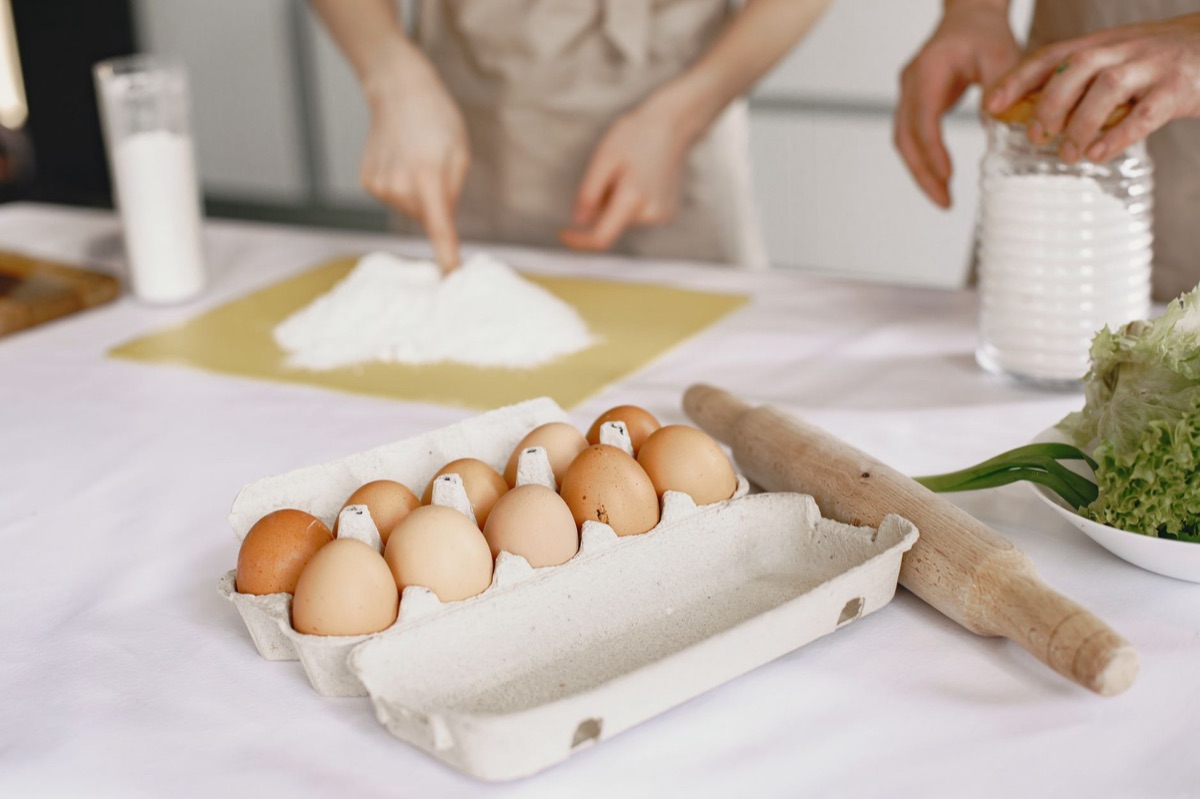
What is the long-term demand telling me? A quiet kitchen in a suburban home can hide a massive shift in global consumer spending. While the initial craze was about ingredients, the secondary wave was about the tools required to perfect the craft.
The economic impact was felt clearly in the appliance sector. In France, for example, the brand Moulinex reported a 40% increase in sales of breadmakers during the height of the movement.
This indicates that consumers were willing to invest in specialized hardware to bring professional-style results into their homes.
As the hobby matured, interest shifted from general baking to highly specific, difficult techniques. This was reflected in digital trends as well.
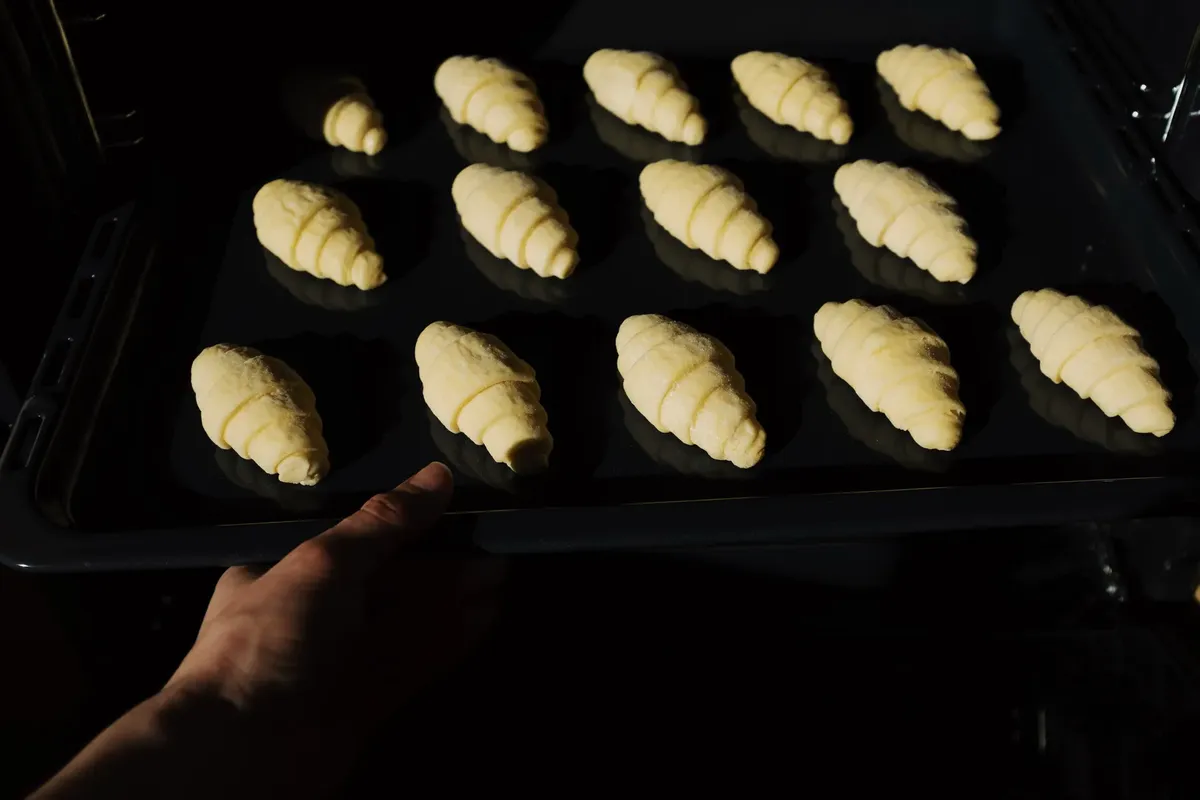
In Argentina, Pinterest reported an over 1500% increase in the search term "savory croissant," showing that even in different cultures, the appetite for complex, pastry-driven skills was exploding.
The movement also built a global, digital community that transcends borders.
One New York baker shared an experience of offering sourdough discard on Instagram; within 24 hours, she received hundreds of requests, and eventually more than a thousand, with interest stretching as far as Singapore and Australia.
This level of engagement shows that baking has become a social language, a way to connect through shared expertise and the exchange of living cultures like sourdough starters.
| Trend Category | Primary Driver | Market Indicator |
|---|---|---|
| Hardware | Desire for consistency | Increased appliance sales (e.g., breadmakers) |
| Skill Level | Pursuit of mastery | Surge in specialized searches (e.g., croissants) |
| Community | Social connection | Global sharing of starters and recipes |
When I started baking more frequently, I was surprised by how much more consistent my results became once I stopped treating it as a hobby and started treating it as a routine.
I realized that even a small amount of regular practice makes a much bigger difference than one long baking session once a month.
How does the science work from home to pro ovens? The transition from a casual hobby to a serious pursuit requires understanding the invisible forces at play inside the oven. A baker's journey often begins with a simple recipe but quickly turns into a study of physics and biology.
Understanding how heat interacts with dough is fundamental to success. Heat is gradually transferred from the surface of unbaked goods to their center, typically at elevated temperatures surpassing 300 °F (148 °C).
Mastering this transfer is what separates a dense, gummy loaf from a light, airy masterpiece.
The mastery of these variables—temperature, hydration, and fermentation—is why the hobby has endured. It offers a perfect blend of science and art.
- Temperature Control: Managing the ambient temperature of the kitchen and the internal temperature of the dough. 2. Hydration Management: Understanding how much water is needed for different types of flour and desired crumb structures. much
- Fermentation Timing: Learning to read the dough rather than just following a clock.
A Note on Limitations While these trends show massive growth, they do not apply to all demographics. Economic fluctuations and the rising cost of specialty ingredients like high-protein flour or European butter can impact the accessibility of advanced baking for some households.
When I first attempted to scale up my recipes, I found that doubling the ingredients didn't always lead to the same rise I expected in my home oven. I learned that managing heat distribution is just as important as managing the dough itself.
🥖 Why Does It Get Harder Over Time?
Imagine standing in your kitchen at 6:00 AM on a Saturday, the sunlight just hitting the countertop, as you prepare to shape a delicate batch of brioche. You have the flour, the yeast, and the technique, but the dough feels slightly different than it did last week.
The difficulty isn's about the recipe changing, but about the baker's growing expectations. As skills improve, the margin for error shrinks, and the pursuit of "the perfect loaf" becomes a moving target.
This evolution often leads to a plateau where many home bakers feel frustrated. They might find themselves questioning if they have the talent to move to the next level.
The reality is that the complexity of the craft is what keeps it engaging. Moving from a simple loaf to a laminated pastry requires a leap in precision.
- Mastering Hydration: Learning to handle dough with 75% or 80% water content.
- Managing Temperature: Using precise water temperatures to control fermentation speed.
- Developing Strength: Learning manual folding techniques to build gluten structure.
But the real challenge isn't just the dough; it is the equipment.
🛠️ Is Professional Equipment Necessary at Home?
You are standing in your kitchen after a long workday, looking at a messy countertop covered in flour. You want to bake a professional-quality baguette, but your standard oven seems to struggle with the steam required for a crispy crust.
This is the crossroads where many hobbyists face: the decision to invest in specialized tools. While you don' much need a commercial oven to bake bread, certain tools can bridge the gap between amateur and artisan.
The cost of entry can vary wildly depending on the level of mastery sought. A simple digital scale is a necessity, but high-end stone hearths or Dutch ovens are common upgrades.
In 2025, the market for high-quality home baking tools saw a continued rise, as enthusiasts sought to replicate bakery conditions in domestic spaces.
| Tool Type | Purpose | Level of Necessity |
|---|---|---|
| Digital Scale | Precise measurement | Essential |
| Dutch Oven | Steam retention | Highly Recommended |
| Proofing Basket | Shape and structure | Recommended |
When I first upgraded to a heavy cast-iron Dutch oven, I realized that temperature retention was the missing piece of my puzzle. It wasn't just about the recipe; it was about the environment the dough lived in during the bake.
FAQ
Is the baking trend actually over? The data suggests it has transitioned from a "trend" to a "lifestyle." While the explosive growth of the lockdown era has stabilized, the high percentage of weekly and monthly bakers indicates a permanent shift in consumer habits.
Why did sourdough become so popular? Sourdough combines the desire for self-sufficiency with the challenge of maintaining a living culture. It offers a level of complexity and flavor that standard commercial yeast cannot match, appealing to the "maker" mindset.
Does this trend affect professional bakeries? It creates a unique dynamic. While more people bake at home, they also become more discerning customers. They often seek out professional bakeries for high-end items they cannot easily replicate at home, such as complex laminated pastries.
The shift from a temporary distraction to a permanent culinary pillar is well-documented. As we look at the tools, the techniques, and the global community, it is clear that the oven is staying on.
Comments 0