Modern Circus: How Media Manages Public Attention Today
The ancient Roman strategy of 'Bread and Circuses' was a calculated political tool used to maintain social stability. Today, this mechanism persists, substituting physical sustenance with digital consumption and constant media distraction.
"Give them food and games, and they will forget that they have lost their freedom."
The ancient Roman strategy of providing subsidized grain and grand spectacles was never just about kindness; it was a calculated political tool to prevent revolution.
Today, while we no longer rely on state-issued grain, the psychological mechanism of distraction remains a cornerstone of social stability.
- Key Takeaways
- The Original Contract: In Rome, 'Bread and Circuses' was a direct political tool: ensuring basic survival (bread) while diverting attention from political instability (circuses).
- The Modern Substitution: While we don't rely on imperial grain distribution, modern society substitutes physical sustenance with digital consumption and endless media streams.
- The Core Function Remains: The underlying goal—maintaining social stability by managing public discontent—is the constant across millennia.
- The Shifting Definition of "Circus": The spectacle has evolved from gladiatorial combat to highly produced sports, social media drama, and continuous news cycles.
What Exactly Was 'Bread and Circuses' in Ancient Rome?
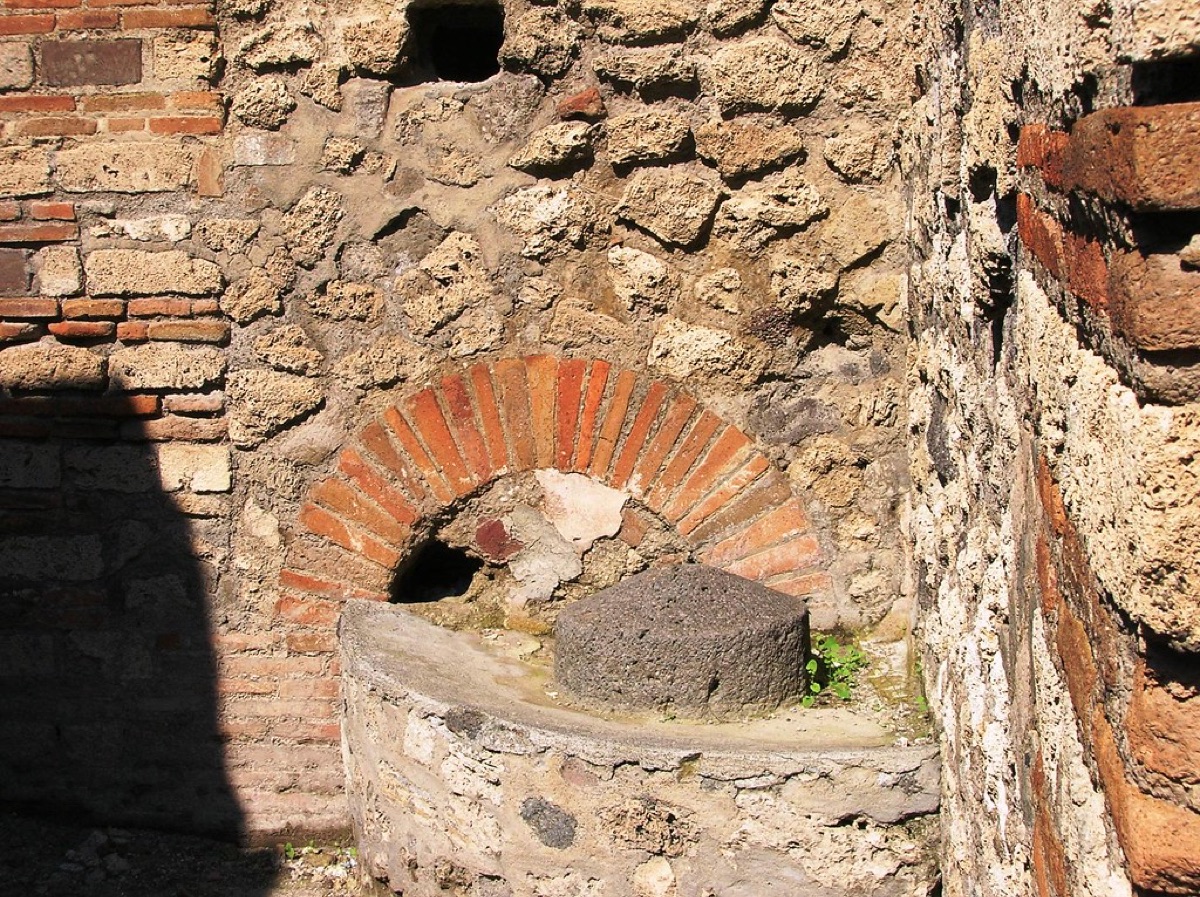
A dusty street in the Roman Forum hums with the sound of thousands of hungry citizens waiting for the grain dole. They aren't there to debate policy; they are there because their survival depends on the Emperor's generosity.
The phrase "bread and circuses" (panem et circenses) originates from the Roman poet Juvenal, who used it to lament the decline of the Roman people. He observed that the citizenry had traded their political agency and civic responsibilities for two things: food and entertainment.
The "bread" refers to the annona, the state-subsidized grain distribution that kept the urban poor from starving. Without this constant flow of calories, the massive population of Rome would have inevitably revolted against the ruling elite.
The "circuses" were the massive public spectacles, such as chariot races at the Circus Maximus and gladiatorial combat in the Colosseum.
This was a social contract of sorts. The ruling class provided the bare minimum for physical survival and enough sensory stimulation to keep the masses from focusing on the erosion of their democratic rights. It was a trade: stability in exchange for apathy.
But how did this specific psychological trap actually work on a daily basis?
How Did the Mechanism of Mass Control Function in the Roman Era?
The sun beats down on the stone tiers of a crowded amphitheater, where the roar of the crowd drowns out any thought of legislative reform. In this moment, the individual is lost in the collective emotion of the spectacle.
The mechanism of mass control primarily targeted the plebeians, the lower-class citizens who lived in crowded urban centers. By addressing their most immediate needs—hunger and boredom—the ruling elite could effectively neutralize the threat of political upheaval.
The power of the spectacle lay in its scale. Massive, highly organized events created a shared emotional experience that transcended individual grievances.
When thousands of people are unified by the thrill of a race or the drama of the arena, the complex, messy problems of governance and corruption seem distant and secondary.
However, this was a temporary fix. While the system bought the Empire time and prevented immediate civil war, it did not address the structural decay of the state.
The reliance on distraction meant that the leadership was essentially managing symptoms rather than curing the underlying political disease. But as the centuries passed, the nature of the "bread" itself began to change.
What Are the Modern Equivalents of the Roman "Bread"?
A person sits in a quiet, air-conditioned apartment, scrolling through a smartphone while eating a quick, cheap meal from a delivery app. The struggle for survival is invisible, replaced by the ease of instant gratification.
In the modern era, the "bread" has evolved from state-provided grain to the accessibility of cheap, mass-produced goods and the stability of the global economic system.
While we don't have a literal grain dole in most Western nations, the modern equivalent is the ability to access basic necessities through relatively low-barrier economic structures.
The "digital breadbasket" is another layer of this modern survival. We live in an era where information and goods are available at the tap of a finger.
This constant, low-barrier access to material goods satisfies immediate needs and reduces the existential threat of sudden scarcity that once fueled Roman riots.
Yet, a paradox of plenty exists. While physical hunger is less of a constant threat for many, the need for constant consumption—both material and informational—has become a new form of sustenance. We consume content to fill the void that hunger once occupied.
This leads to a much more pervasive form of entertainment.

How Has the "Circus" Evolved in the 21st Century?
The blue light of a smartphone illuminates a face in a dark room at 2:00 AM, as a viral video loops for the fifth time. The spectacle is no longer in a stone arena; it is in the palm of the hand.
The "circus" has shifted from the physical, localized arenas of Rome to a global, digital landscape. The 24/7 news cycle, viral social media trends, and highly produced entertainment serve as the modern-day gladiatorial games.
These digital spectacles provide the same emotional highs and distractions that the Roman games once did.
| Feature | Ancient Roman "Circus" | Modern "Circus" |
|---|---|---|
| Medium | Physical Arenas (Colosseum) | Digital Screens/Social Media |
| Audience | Localized, Physical Crowds | Global, Virtual Networks |
| Engagement | High-Intensity, Physical Spectacle | Constant, Low-Intensity Distraction |
| Goal | Prevent Civil Unrest | Manage Attention and Public Opinion |
The modern spectacle is often more pervasive because it is portable. In Rome, you had to be at the arena to participate in the distraction. Today, the circus follows us into our bedrooms, our workplaces, and our cars.
This constant stream of stimuli ensures that the "spectacle" is never truly over, keeping the collective attention diverted from systemic issues. This cycle is difficult to break, but it can be managed through awareness.
How to Navigate the Modern Spectacle
I remember sitting in a crowded coffee shop last Tuesday, watching everyone around me. Every single person was staring at a screen, completely absorbed in a different digital world while the real world passed them by. It felt like a modern version of the Roman crowd, just without the stone walls.
To avoid becoming a passive consumer of distraction, consider these steps:
- Audit Your Consumption: Track how much time you spend on "spectacle" apps versus productive or meaningful activities.
- much like the Roman grain dole, recognize when you are using cheap entertainment to mask genuine stress or dissatisfaction.
- Practice Digital Fasting: Set specific times of the day where you disconnect entirely from all screens to rebuild focus.
- Engage in Civic Dialogue: Move from being a spectator to a participant by engaging in local community discussions or real-world problem-solving.
This process requires discipline, as the modern "circus" is designed to be addictive.

Summary of the Evolution of Control
| Stage | Primary Tool | Social Result |
|---|---|---|
| Roman Era | Grain & Gladiators | Managed Apathy |
| Industrial Era | Wages & Mass Media | Consumer Stability |
| Information Era | Digital Access & Viral Content | Attention Economy |
The transition from physical survival to digital distraction marks a profound shift in how societies are managed. While the tools have changed, the fundamental human vulnerability to distraction remains the same.
Understanding this history allows us to look at our own news feeds and entertainment choices with a more critical eye. We must ask ourselves: are we being fed, or are we merely being kept busy?
Related
- Baking: 31% of US consumers gain better weekly baking habits
- Baguette: 250g weight ensures 1 perfect, authentic loaf.
FAQ
What was the main purpose of the "bread and circuses" strategy?
The strategy was designed to maintain social stability by preventing political unrest among the masses. By providing basic sustenance and engaging entertainment, the ruling class could redirect public attention away from political instability and toward immediate, sensory satisfaction.
How does modern media relate to the concept of the Roman circus?
Modern media serves as a digital version of the Roman spectacle, providing a constant stream of entertainment and distraction. This keeps the public's attention focused on viral trends and emotional news cycles, much like the gladiatorial games once did for the Roman populace.



Comments 0