Bread explodes during baking: Tips for dough bursting 99%
This article explains Bread explodes during baking together with Why does bread pop, and it also covers Preventing bread bursting.
"The crust of a loaf can hold significant tension, but when temperature and fermentation intersect incorrectly, the structural integrity of the dough can fail entirely."
Addressing why bread explodes during baking requires understanding the relationship between heat, steam, and dough tension. This guide covers common causes of dough bursting in oven environments, provides steps to stabilize your loaves, and notes the chemical changes occurring at high temperatures.
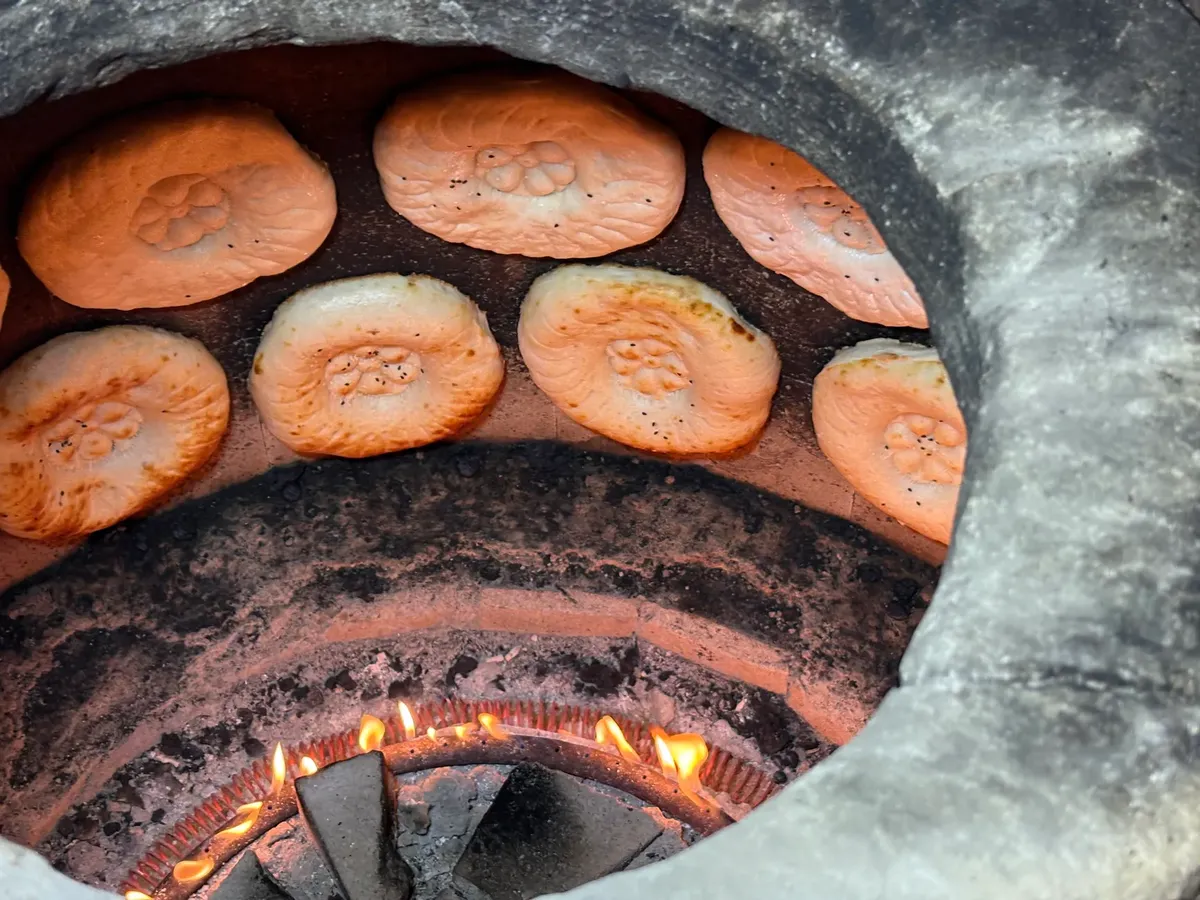
Key takeaways include managing fermentation, controlling oven heat, and understanding crust formation.
Why does bread pop in the oven?
At high noon in the kitchen, I flinched as a sudden crack echoed from the oven when the bread burst through its crust.
A baker stands before a hot oven, watching through the glass as a loaf suddenly cracks or bursts at the side. This sudden release of energy often happens when internal pressure from expanding gases exceeds the strength of the dough's surface.
The primary reason for this phenomenon is uncontrolled expansion. When the internal gases, such as carbon dioxide, expand rapidly due to heat, they seek the path of least resistance. If the crust has already set or if the dough lacks sufficient elasticity, the bread explodes during baking.
This can be caused by over-proofing, where the gluten structure becomes too weak to hold the gas, or by insufficient scoring.
This phenomenon occurs when internal steam pressure builds up faster than the crust can expand, causing the dough to rupture.
Managing heat and dough bursting Bread explodes during baking
A person carefully adjusts the oven dial, feeling the warmth radiating from the appliance. If the oven temperature is too high, the exterior of the loaf sets too quickly, trapping steam inside and causing the dough to burst in oven environments later in the bake.
Controlling the thermal environment is essential for even expansion. If the crust hardens before the interior has finished rising, the internal pressure will cause the loaf to split unpredictably. This is often referred to as an uneven rise.
To prevent this, bakers must balance the oven temperature with the hydration levels of the dough.
When considering the chemistry of the bake, it is worth noting that heating starchy foods higher than 120 °C (248 °F) can lead to the formation of acrylamide. According to a study, more than 99 percent of the acrylamide in bread is found in the crust.
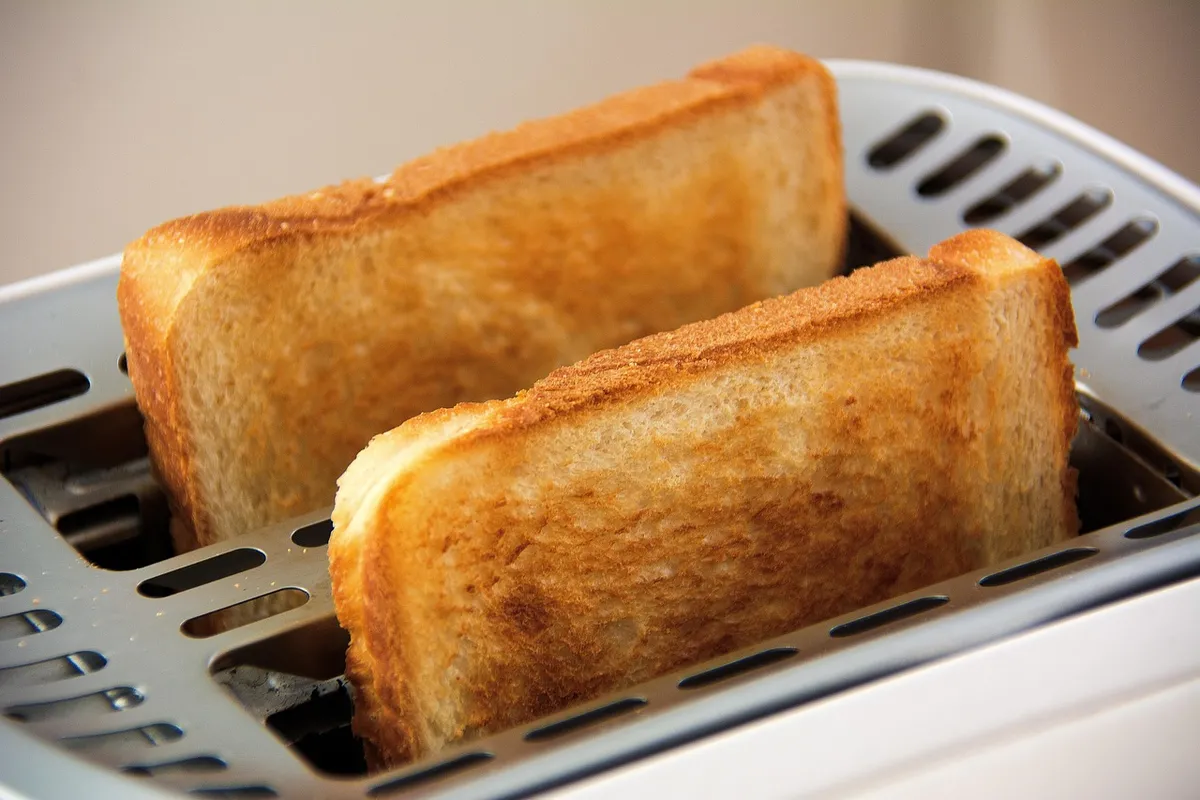
This highlights the importance of monitoring heat to ensure both structural integrity and characteristic crust quality.
- Monitor the oven temperature to ensure it remains consistent throughout the bake.
- Adjust the heat if the crust sets too quickly before the loaf can expand.
- Balance the steam levels to maintain crust elasticity.
Preventing bread bursting during the bake
A baker picks up a sharp lame and prepares to score the surface of a rising loaf. This deliberate action is one of the most effective ways of preventing bread bursting by providing a controlled path for expansion.
To stabilize your loaves, follow these three steps:
- Score the dough deeply and correctly to allow for controlled expansion. 2. Ensure the dough is not over-proofed, as weak gluten cannot contain expanding gases. 3. Regulate oven temperature to prevent the crust from setting prematurely.
After completing these steps, perform a final check of your fermentation timing to ensure the dough is at its peak strength before it enters the heat.
In this sequence, the second step is the most critical.
How to handle a dough explosion
A baker cleans up flour and crumbs from a kitchen counter after a loaf has burst unexpectedly. While a shattered loaf might look like a failure, the process of troubleshooting can prevent it from happening again.
If you encounter a situation where the bread rises too fast and breaks, consider the following:
| Condition | Potential Cause |
|---|---|
| Rapid expansion | Over-proofing or high temperature |
| Sudden cracking | Insufficient scoring or weak gluten |
I noticed during my own practice that if the scoring is too shallow, the dough will always find a way to burst elsewhere.
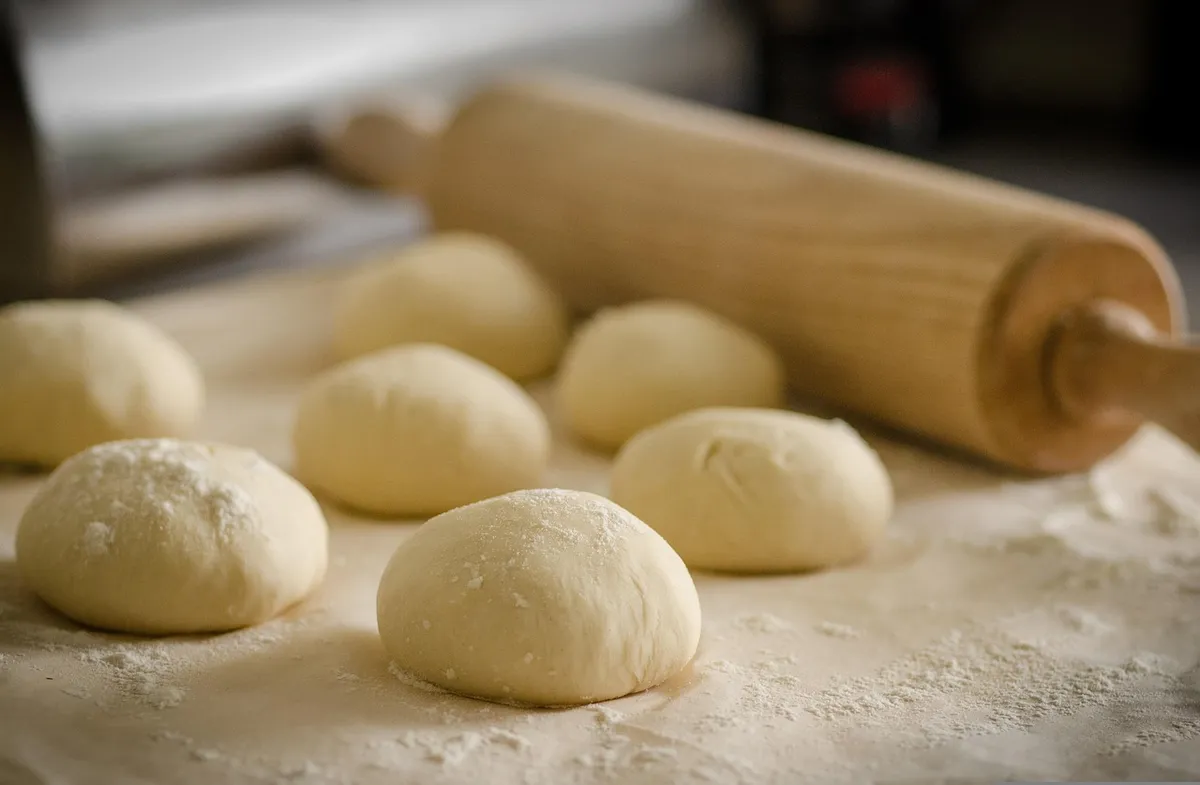
A limitation to these techniques is that they may not fully compensate for flour-specific properties, such as when using grains like spelt or emmer, where the difference in weight between grain types is relatively small (between 1 and 2 percent by weight).
If a loaf bursts unexpectedly, focus on stabilizing the temperature and assessing the crumb structure once the bread has cooled.
The same subject is also called Baking dough explodes.
The same subject is also called Bread rising too fast.
This part also covers Fixing dough explosion issues.
This part also covers Best baking techniques for bread.
Related
- Dough rising tips: cold temperatures stop yeast activity 1
- Bread Making Guide: Fermentation Timing Is So Difficult 8
FAQ
Why does the bread burst at the bottom?
The dough bursts in oven environments often because the bottom crust has set while the bottom-heavy gases are still expanding. This can happen if the baking surface is too hot or if the dough was not shaped with enough tension to support the weight.
Is high heat the only cause of bread exploding?
No, while high heat can cause the crust to set too quickly, over-fermentation is another major factor. When the dough is over-proofed, the gluten structure weakens, making it unable to contain the gas, which leads to the bread popping during the bake.
Managing the relationship between heat and fermentation is the key to successful, beautiful loaves. By controlling the expansion through proper scoring and temperature management, you can prevent the frustration of a burst loaf.
What factors influence the structural integrity of the crust? 1. The tension held within the crust dictates its ability to resist internal pressure from gases. 2. Incorrect interaction between temperature and fermentation compromises this structural integrity entirely. The crust's strength must be sufficient to contain the expanding gases generated during the bake process.
How does steam affect dough expansion? Steam acts as a medium that influences the rate at which the crust sets relative to the interior rise. If the steam pressure builds up faster than the crust can accommodate, the dough will rupture. Controlling the steam levels helps maintain the necessary elasticity in the crust.
Proper management of the crust involves balancing the rapid expansion driven by heat against the structural limits imposed by the dough's gluten network. A strong crust supports the loaf during its final ascent in the oven.

Comments 0