How do temperature and time affect fermentation?
This article explains Basic bread proofing guide together with Perfect bread rise, and it also covers Oven temperature guide.
"A starter prepared from scratch with a salted wheat-rye dough takes about 54 hours at 27 °C (81 °F) to stabilise at a pH between 4.4 and 4.6."
Achieving a consistent rise and flavor in artisanal bread requires precise control over fermentation environments and starter management. This guide covers essential fermentation conditions, starter ratios, and maintenance routines to ensure a successful bake.
Key takeaways include managing temperature for bacterial dominance, understanding starter feeding schedules, and mastering the weight ratios for dough stability.
How do temperature and time affect fermentation?
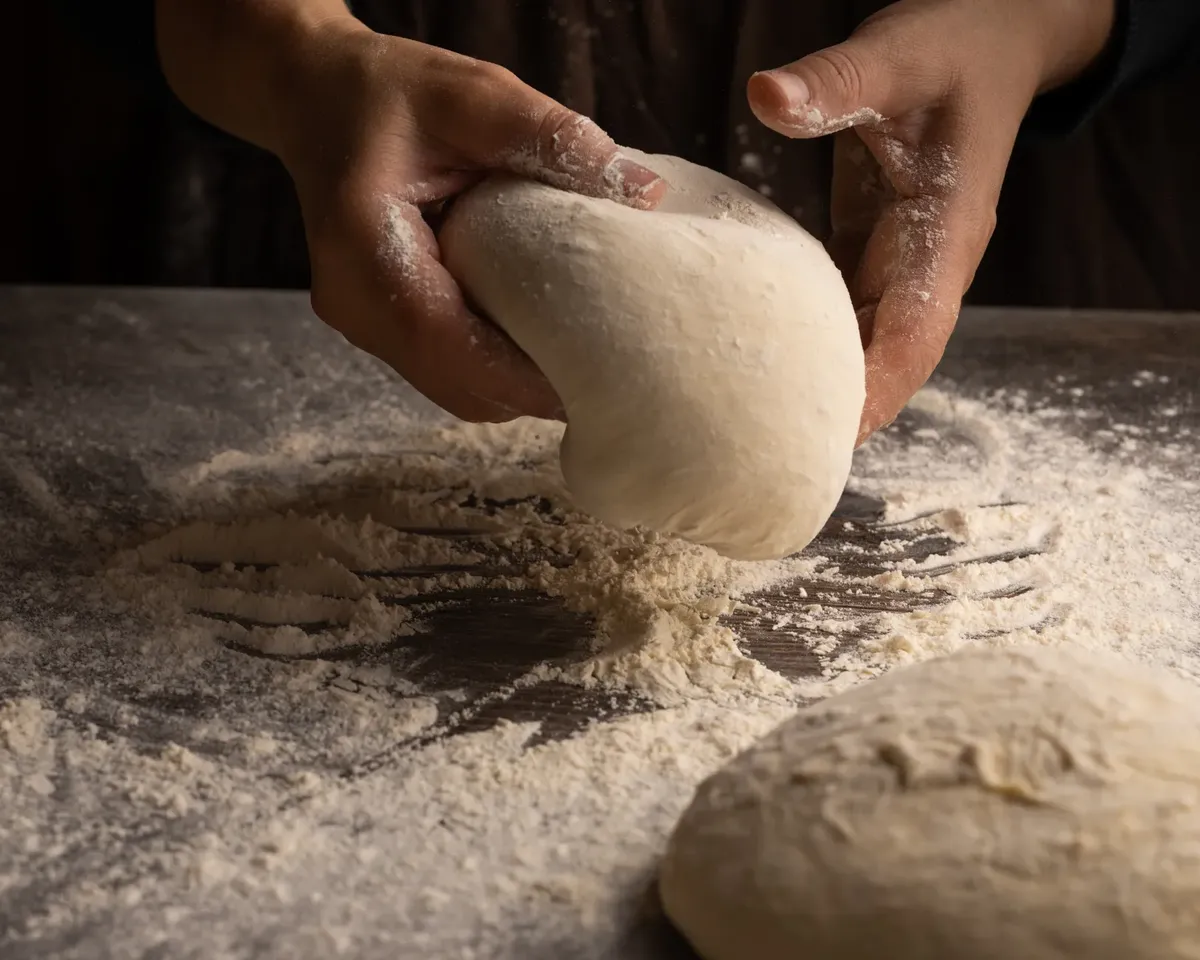
I watch the bubbling dough in the warm kitchen corner as the passing hours change the temperature.
A baker carefully monitors the thermometer as the dough sits in a warm corner of the kitchen.
Proper temperature control is vital because the dominant bacteria, such as sanfranciscensis, require a temperature between 25–30 °C (77–86 °F) and refreshments every 24 hours for about two weeks (336 hours) to establish a stable ecosystem.
Maintaining these specific thermal ranges ensures the biological activity remains predictable. For instance, Type I sourdoughs are generally firm doughs, have a pH range of 3.8 to 4.5, and are fermented in a temperature range of 20 to 30 °C (68 to 86 °F).
Controlling the environment prevents the flora from becoming too active or too sluggish.
A Belgian study of wheat and spelt doughs refreshed once every 24 hours and fermented at 30 °C (86 °F) in a laboratory environment provides insight into the three-phase evolution of first-generation-to-stable sourdough ecosystems.
This research highlights how consistent temperature shifts drive the development of a reliable culture.
What is the best way to manage starter weight? Basic bread proofing guide
At dawn, I lift the heavy jar to check the starter weight while feeling the sudden chill of the temperature.
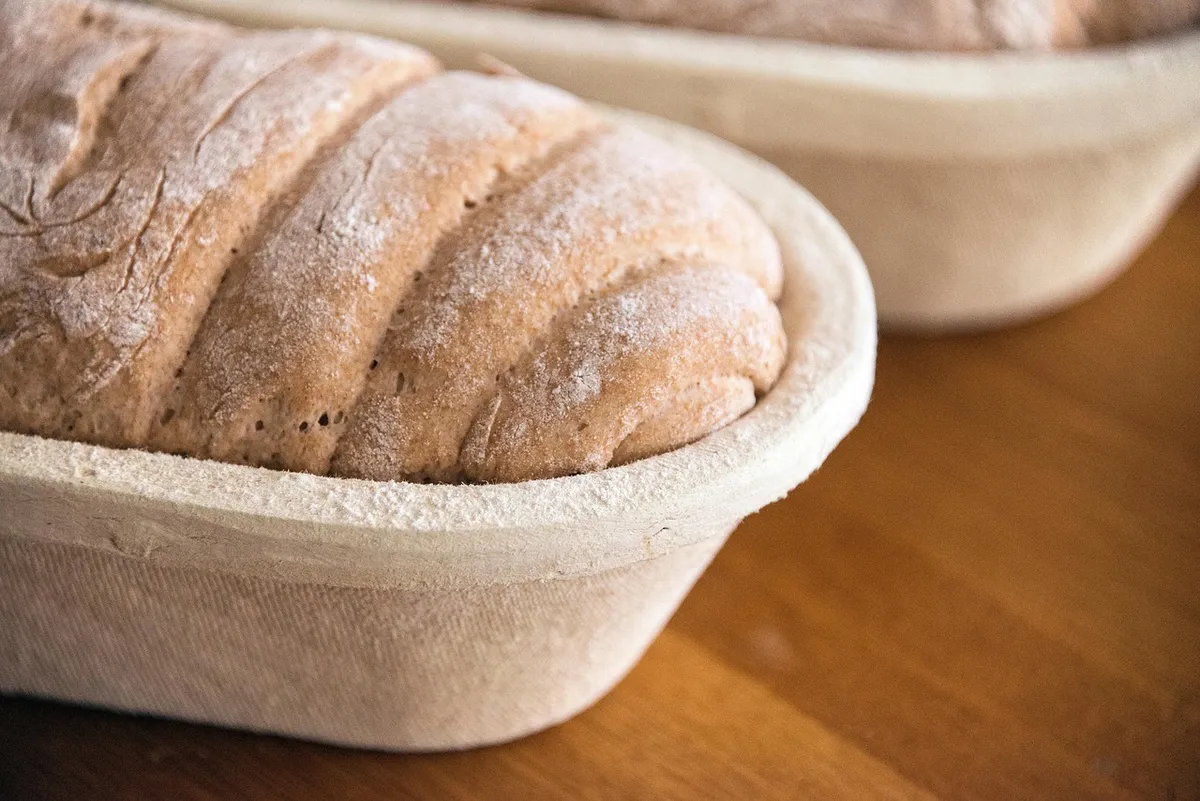
The baker weighs the active culture on a digital scale before mixing it into the main flour mass. The starter weight is usually 13–25% of the total flour weight, though formulas may vary. This ratio ensures enough leavening power is present to lift the heavy flour and water mixture.
In specific regional styles, such as San Francisco sourdough, the ratio is 40% of the total weight, which is roughly equivalent to 67% of the new-dough's weight. Adjusting these proportions allows for different textures and acidity levels.
Using a smaller ratio of cold unfed starter (called sourdough discard) in the range of 5% to 10% can also create good sourdough loaves; the fermentation time will be longer and can result in improved flavor. I once used this low-percentage method to achieve a much more complex tang in my kitchen.
How should the starter be fed?
The baker carefully stirs fresh flour and water into the bubbling jar of culture. The starter is typically fed 4 to 12 hours prior to being added to dough. This timing ensures the yeast is at its peak activity level when it meets the main dough.
Proper feeding schedules prevent the culture from becoming overly acidic or weak. While standard feeds happen daily, an Amish sourdough is fed with sugar and potato flakes every 3–5 days. Such variations depend entirely on the specific tradition being followed.
| Starter Type | Typical Feeding Frequency |
|---|---|
| Standard Sourdough | 4 to 12 hours before use |
| Amish Sourdough | Every 3–5 days |
What water quality matters for fermentation?
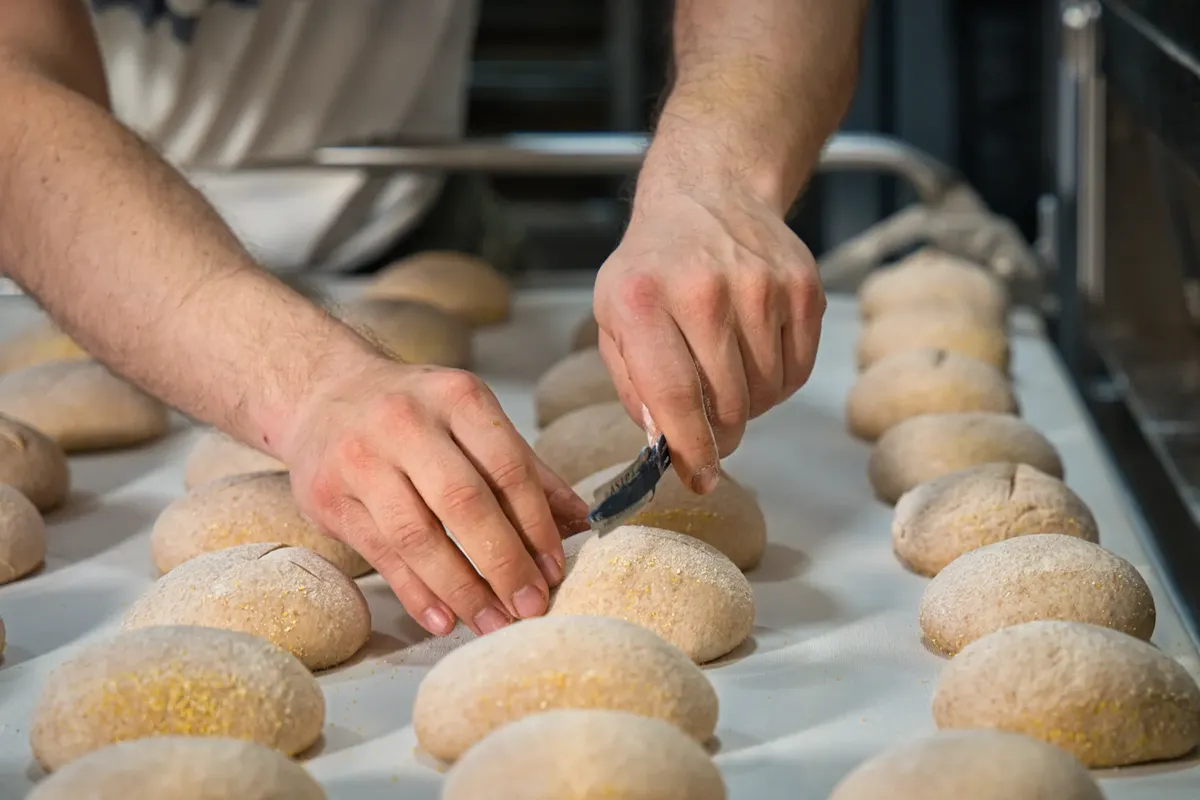
A baker pours filtered water into a glass jar to prepare for the next feeding. Using clean water is essential because chlorine, but not chloramines, can be removed from tap water by boiling it for a time, or simply by leaving it uncovered for at least 24 hours.
Using bottled drinking water is also suitable for maintaining culture health. Avoiding harsh chemicals ensures the delicate yeast and bacterial populations are not inhibited during the growth phase.
How do I prepare my starter for dough?
The baker pulls a jar of active starter from the refrigerator to begin the mixing process. Following a structured preparation sequence helps maintain the health of the culture.
- Monitor the starter to ensure it has reached its peak activity after the scheduled feeding. 2. Measure the starter weight according to the specific recipe's percentage of the total flour. 3. Incorporate the starter into the flour and water to begin the main fermentation phase.
Always perform a final check of the pH or volume to confirm the culture is ready for the dough.
What are the limitations of fermentation?
The baker observes a batch of dough that has failed to rise despite following the recipe. According to USDA FoodData Central, fermented salted tofu (fuyu) contains 8.92g of protein and 8g of fat per 100g.
One limitation is that certain environments, such as those with a pH less than 3.5, involve fermentation within a temperature range of 30 to 50 °C (86 to 122 °F) for several days without feedings, which reduces the flora's activity.
- How do temperature and time affect fermentation?
- What is the best way to manage starter weight?
- How should the starter be fed?
The subject here is Basic bread proofing guide.
The same subject is also called Bread fermentation tips.
The same subject is also called Dough shaping techniques.
The same subject is also called Baking science basics.
The same subject is also called Perfect bread rise.
This part also covers Troubleshoot bread baking.
This part also covers Choosing bread ingredients.
This part also covers Oven temperature guide.
Troubleshoot bread baking
Related
- Baguette shaping techniques: Guide to dough tension
- Baguette dough guide: Tips for beginner baguette dough guide
FAQ
What temperature is best for sanfranciscensis?
The dominant bacterium requires a temperature between 25–30 °C (77–86 °F) and refreshments every 24 hours for about two weeks (336 hours).
How much starter should be used in a recipe?
Successful bread making relies on the delicate balance of temperature, timing, and hydration to manage the biological life within the dough.
When is the starter ready to be mixed into the dough?
The starter is ready when the baker observes it has reached its peak activity following the scheduled feeding. This readiness check is crucial before incorporating the starter into the main flour mass. A final check of the pH or volume confirms the starter is prepared for the dough.
The timing of feeding also dictates when the starter is ready; feeding 4 to 12 hours prior to dough addition ensures the yeast is at its peak activity level. This careful scheduling prevents the starter from becoming overly acidic or weak before it enters the main batch.
What happens if the starter environment is too harsh?
Harsh chemical environments inhibit the delicate yeast and bacterial populations during the growth phase. If the water used is not properly treated, the starter's health can suffer. Avoiding these inhibitors is necessary for a successful starter preparation.
A starter prepared from scratch with a salted wheat-rye dough requires specific thermal conditions to stabilize. If the temperature deviates significantly from the required range, the biological activity becomes unpredictable.
The successful maintenance of the starter relies on managing these environmental factors, ensuring the starter remains robust throughout the entire process.

Comments 0