Bagel shaping technology: How to achieve chewy texture
This article explains Bagel shaping technology together with Bagel forming process, and it also covers Results of bagel forming.
"The secret to a perfect bagel lies not in the oven, but in the tension of the dough during the manual shaping process."
Bagel shaping technology involves creating surface tension to ensure a dense, chewy texture after boiling. This guide explains how to manipulate dough through specific hand movements to achieve a consistent ring shape.
You will learn the essential steps for manual forming, the impact of tension on the final crumb, and how to avoid common structural failures.
How does manual dough tension affect the final bagel?
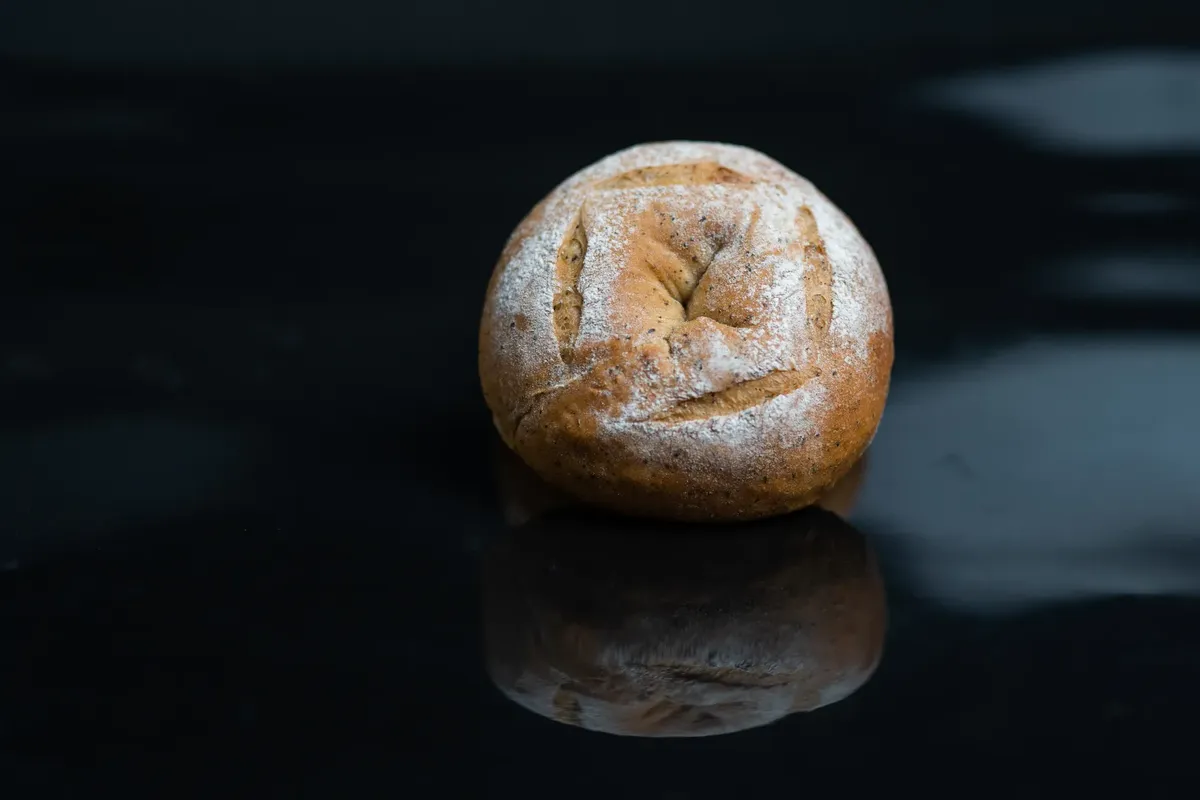
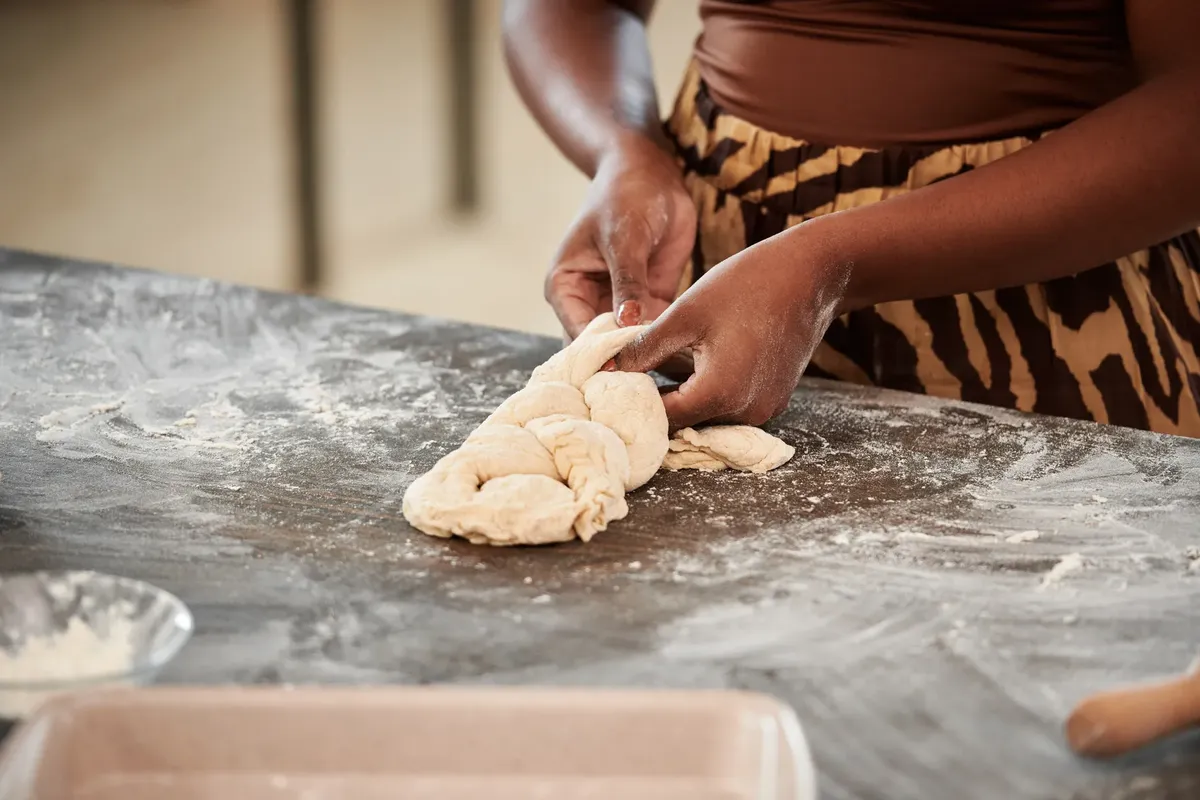
A baker sits at a floured wooden table, pressing a soft ball of dough against the surface to create a smooth, tight skin. This initial step is the foundation of bagel shaping technology, as the surface tension dictates how the dough expands during the boiling and baking phases.
Proper tension prevents the dough from spreading too thin or collapsing into a flat disc. When you pull the dough against the work surface, you are organizing the gluten structure to hold the characteristic ring shape.
If the tension is too loose, the bagel may lose its structure in the water; if it is too tight, the center hole might close during proofing.
How do I form the perfect bagel? Bagel shaping technology A pair of hands carefully rolls a piece of dough into a smooth cylinder on a clean countertop. The bagel forming process requires precision to ensure the hole remains open and the walls remain even.
- Flatten the dough: Take a portion of dough and gently flatten it into a small disc using the palms of your hands. 2. Roll into a rope: Roll the dough against the table to create a cylinder of even thickness, ensuring the ends are tapered slightly. 3. Form the ring: Wrap the dough around your hand or a specialized tool to create a loop, then pinch the seam firmly to seal the dough.
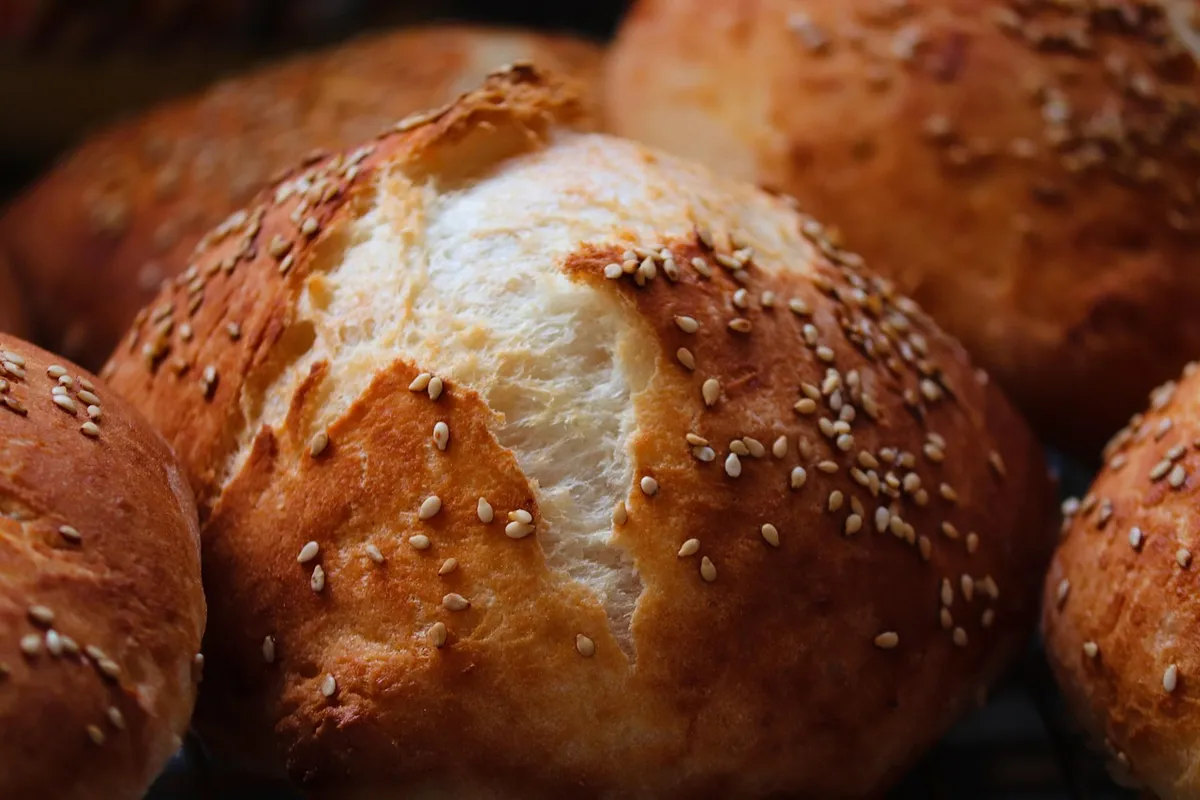
I find that checking the seam integrity after the third step is vital to prevent the ring from unraveling in the boiling water.
What are my options for shaping bagels? A baker uses a specialized metal ring to guide the dough into a perfect circle. Different bagel shaping methods offer various results depending on the desired thickness and aesthetic of the final product.
One common technique is the manual finger-hole method, where the thumb is pressed through the center of a dough ball to stretch the hole. Another method involves rolling the dough into a long rope and joining the ends to form a ring, which is common in professional bagel production techniques.
These methods allow for variations in thickness, which influences the density of the bagel.
The following table compares the two most common manual approaches:
| Method | Primary Action | Resulting Texture |
|---|---|---|
| Finger-hole method | Stretching a ball through the center | Thicker walls, more uniform ring |
| Rope-and-seal method | Rolling a cylinder and joining ends | Thinner, more traditional ring |
How can you manage bagel dough shaping guide variables?

A baker adjusts the thickness of a dough rope to ensure evenness before forming the ring. Using a consistent bagel dough shaping guide helps maintain quality when producing multiple batches.
The thickness of the dough rope must be uniform to prevent one side of the bagel from being denser than the other. If the rope is uneven, the boiling process will cook the thinner sections faster, leading to an asymmetrical shape.
Maintaining a consistent diameter throughout the rope ensures that the tension is distributed equally once the ring is closed.
What are the common results of bagel shaping machines?
A heavy-duty machine gently squeezes dough into uniform rings on a production line. While home bakers use hands, industrial bagel shaping machines aim to replicate manual tension at scale.
In professional settings, dough shaping machines use rollers and cutters to create consistent shapes. The results of bagel shaping machines are often highly uniform, which is necessary for commercial packaging and consistent baking times.
However, the mechanical pressure must be carefully calibrated to mimic the natural tension provided by hand-shaping.
Troubleshooting common shaping failures
A baker inspects a lopsy, uneven bagel after it emerges from the oven. Understanding the relationship between shaping and the final product helps troubleshoot common issues.

If the hole in the middle is too small, the dough was likely not stretched enough during the shaping process. If the bagel is too flat, the surface tension may have been too low, or the dough may have over-proofed before boiling.
Ensuring a clean, tight seal at the seam is the most critical check to prevent the dough from separating during the boil.
- How does manual dough tension affect the final bagel?
- How do I form the perfect bagel?
- What are my options for shaping bagels?
This part also covers Bagel shaping machine settings.
This part also covers Results of bagel forming.
Related
- Baguette fermentation science: Guide to dough biology
- Guide to science of baguette dough and fermentation basics
FAQ
How do I ensure the hole stays open?
The hole stays open by creating enough tension during the shaping process and ensuring the dough is not over-proofed. You should stretch the dough around the finger or tool to create a wide enough opening to account for slight expansion during boiling.
Why does the dough seam break?
The dough seam breaks if the ends are not pressed together firmly enough during the shaping process. A weak seal will cause the ring to unravel when it hits the boiling water, resulting in an irregular shape.
The success of the shaping process depends on the balance of surface tension and dough elasticity. This technique is limited to doughs that have sufficient gluten development to hold a structural ring.
What determines the secret to a perfect bagel structure? Bagel shaping technology relies on the controlled application of surface tension to achieve the desired density and chewiness. This tension, established during the manual shaping process, dictates the structural integrity of the dough throughout the subsequent cooking phases. The dough must possess sufficient gluten development to maintain a structural ring, which is a necessary condition for the secret to a perfect bagel.
When the tension is properly managed, the gluten structure organizes itself effectively, allowing the dough to expand uniformly during boiling and baking. Conversely, if the tension is insufficient, the dough lacks the internal support needed to resist spreading, resulting in a flatter final product. A critical caution is that the initial pressing of the dough against the floured table must be smooth and tight to establish this foundational tension.
The comparison between the two primary manual approaches highlights how the action impacts the result. The finger-hole method, which involves stretching a ball through the center, inherently creates thicker walls because the dough is pulled around a central point. In contrast, the rope-and-seal method, which joins two ends of a cylinder, tends toward a thinner, more traditional ring structure. The choice between these methods influences the overall density of the bagel.
Maintaining the uniform thickness of the dough rope is a crucial procedure for quality control. If the rope thickness varies, the boiling process will unevenly cook the thinner sections, leading to an asymmetrical shape. This unevenness directly compromises the consistent tension distribution required for a perfect bagel. The baker must ensure the rope maintains a consistent diameter before the ring is closed to distribute the tension equally.
Troubleshooting common shaping failures requires linking the final defect back to the shaping procedure. For example, if the hole is too small, the procedure of stretching the dough during shaping was inadequate. If the bagel is too flat, it suggests that the surface tension was too low, or that the dough experienced excessive proofing before the boiling stage. Ensuring a clean, tight seal at the seam is the most critical precaution to prevent the dough from separating during the boil, which would ruin the perfect ring shape.
Comments 0