Baguette Baking Guide: 4 Steps to a Perfect Crusty Loaf
To bake professional-grade baguettes at home, focus on using high-protein flour, maintaining high hydration, and utilizing steam to achieve a crispy crust. Essential tools like a digital scale and a Dutch oven are recommended to ensure precision and proper heat distribution.
Nothing beats the sound of a crackling, golden crust shattering under a knife in your own kitchen.
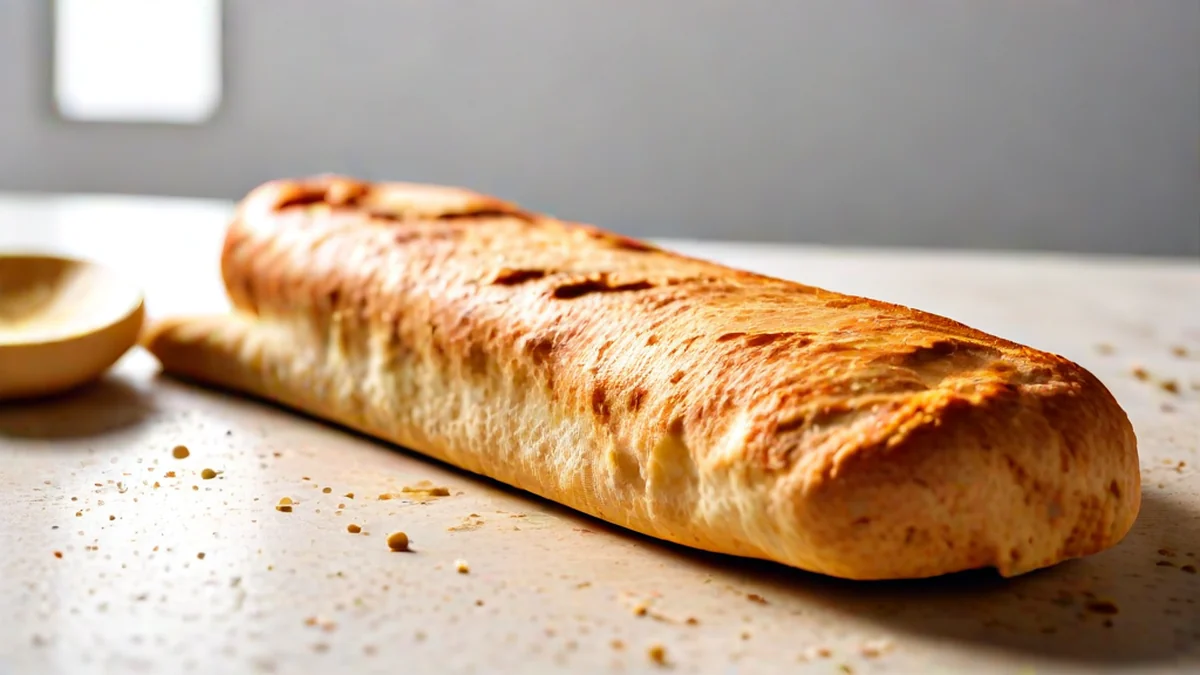
Baking a professional-grade baguette requires mastering hydration, fermentation, and steam. By using high-protein flour and a hot oven, you can achieve that elusive airy crumb and crispy shell at home.
- Prioritize high-protein bread flour for structure.
- Master the "steam method" to ensure a shiny, crisp crust.
- Use long, cold fermentation to develop complex flavors.
- Invest in a baking stone or heavy Dutch oven.
Why is my baguette dough so sticky?
Most beginners struggle because they fear wet dough. However, a high hydration level—usually around 65% to 75%—is essential for those large, irregular air pockets known as an open crumb.
When I first started in 2024, my dough felt like a mess of glue. After measuring exactly 350 grams of water for 500 grams of flour, I realized that "tacky" is actually the goal.
If you try to add too much extra flour during kneading, you'll end up with a dense, heavy loaf instead of a light one. Trust the science of hydration; use wet hands rather than more flour to handle the dough.
What equipment do I actually need?
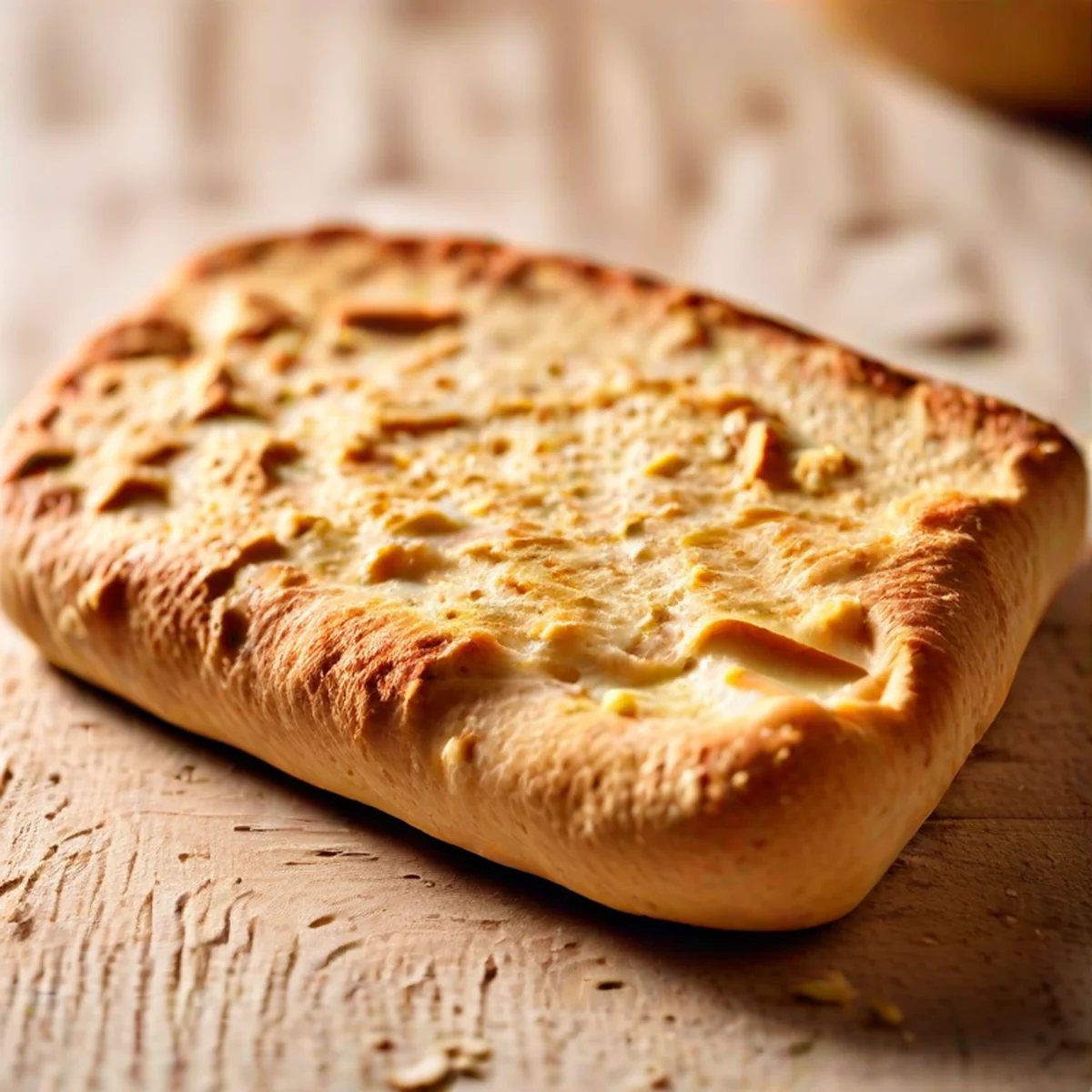
You don't need a professional bakery setup, but certain tools make a massive difference in your results. A digital scale is non-negotiable because volume measurements like "cups" are notoriously inaccurate for flour.
| Tool | Importance | Purpose |
|---|---|---|
| Digital Scale | Essential | Precise ingredient ratios |
| Dutch Oven | High | Trapping steam for crust |
| Bench Scraper | Medium | Shaping and handling dough |
| Baking Stone | Medium | Even heat distribution |
The American Baking Society often emphasizes that temperature control is just as vital as the tools themselves. A thermometer helps you ensure your water isn't too hot, which could kill your yeast.
How do I achieve a professional crust?
Steam is the secret ingredient. Without it, the surface of the dough dries out too quickly, preventing the bread from expanding fully in the oven (this is called "oven spring").
You can create steam by placing a shallow pan of boiling water at the bottom of your oven during the first 10 minutes of baking. This mimics the professional steam-injection ovens used in French boulangeries.
According to culinary standards often cited by the King Arthur Baking Company, using a heavy cast iron pan helps retain the intense heat necessary for that deep, caramelized color we all crave.
Can I use sourdough instead of commercial yeast?
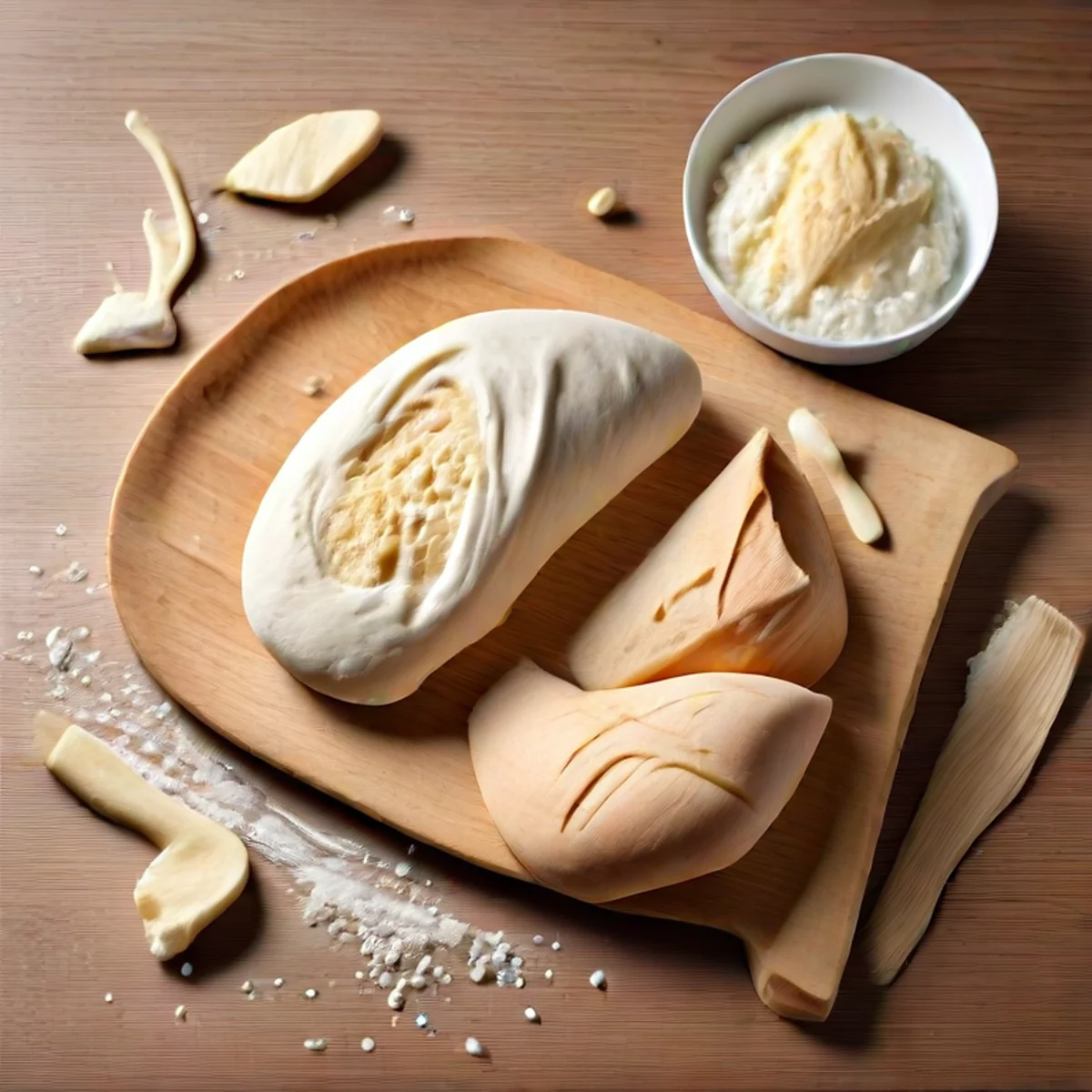
Yes, but it changes the timeline significantly. While commercial yeast can work in 3 hours, a sourdough baguette might take 24 to 48 hours to reach its full potential.
Using a "levain" or starter provides a more tangy flavor profile and a softer interior. However, for a beginner, starting with a standard dry yeast recipe is the best way to learn dough tension first.
Step-by-Step: The Perfect Baguette Method
Follow these steps to move from a sticky mess to a beautiful loaf. I remember my first successful batch in late 2025; the smell of toasted grain filled my entire apartment for hours.
- Mix: Combine 500g bread flour, 350g warm water, 10g salt, and 5g instant yeast. Mix until no dry flour remains.
- Bulk Ferment: Let the dough rise in a covered bowl for about 3 hours, performing "folds" every 30 minutes to build strength.
- Shape: Gently turn the dough onto a floured surface. Fold the edges toward the center to create tension, then roll into long cylinders.
- Proof: Place shaped loaves in a floured linen cloth (a couche) and let them rise for another 45 minutes.
- Score: Use a very sharp razor blade (a lame) to make three diagonal slashes across the top.
- Bake: Bake at 450°F (232°C) with steam for 15 minutes, then remove the steam source and bake for another 15 minutes until dark gold.
Are there any limitations to home baking?
It is important to note that your home oven likely lacks the consistent airflow of a commercial deck oven. You may find that one side of your baguette browns faster than the other.
Additionally, humidity in your kitchen can change how much water your flour absorbs. If it's a rainy day, you might need 10-20 grams less water than the recipe calls for to maintain the same dough consistency.
FAQ
Why did my bread come out flat? This usually means either your dough was over-proofed (it rose too much and lost its structure) or you didn't create enough surface tension during the shaping phase.
Can I use All-Purpose flour instead of Bread flour? You can, but your baguette will be less chewy. Bread flour has a higher protein content, which is necessary to support the gases produced during fermentation.
How should I store my baguettes? Never put fresh bread in the refrigerator; it will go stale faster due to starch retrogradation. Keep them in a paper bag at room temperature and eat them within 24 hours for the best experience.
What is "scoring" and why do it? Scoring is cutting the top of the dough. It provides a controlled path for the bread to expand, preventing it from bursting at the bottom or sides.
Now that you have the fundamentals, grab your digital scale and try your first batch this weekend!
Comments 2
Great crust tips for home ovens!
Steam in the oven made a big difference for me.